How Long Do Dental Bridges Last? Lifespan, Care Tips & Home Dental Support
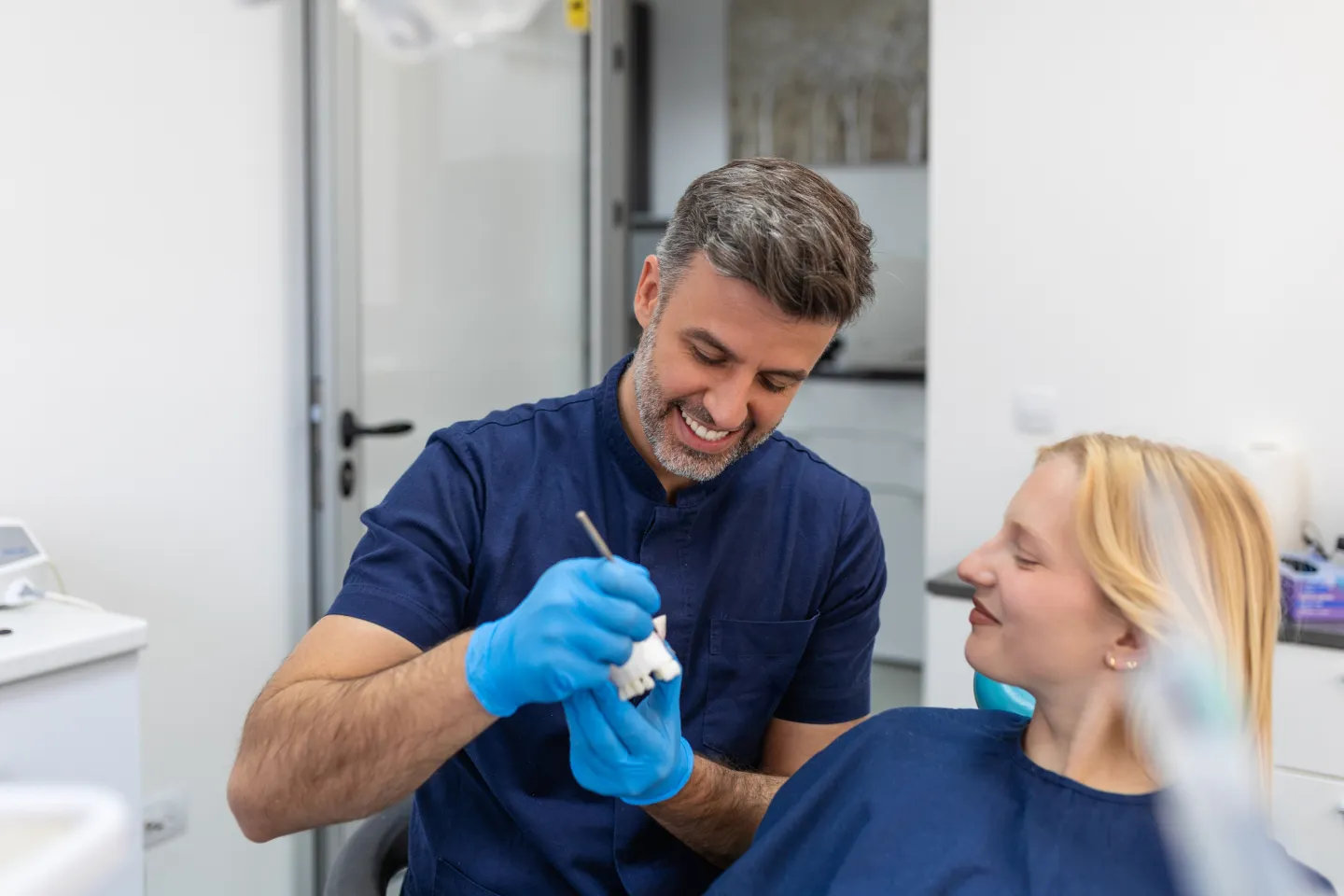
How Long Do Dental Bridges Last and How Can You Help Them Last Longer?
Dental bridges typically last 10–15 years, and in many cases even longer when they are properly cared for. Good oral hygiene, regular dental evaluations, and professional maintenance play an important role in extending their lifespan. For elderly or homebound patients in Manhattan, Queens, and Long Island, a home-visit dentist or mobile dentist can provide essential bridge checks, cleanings, and home dental care without requiring a trip to a dental office.
Introduction
You may be wondering how long a dental bridge lasts and what you can do to keep it functioning properly over time. Dental bridges are designed to replace missing teeth and restore comfort while chewing and speaking. Like any dental restoration, they require proper care and occasional professional evaluation.
For many elderly or homebound individuals, traveling to a dental clinic regularly can be challenging. That is where mobile dental services and home dental care can make a meaningful difference. A dentist for homebound patients can visit the patient’s home to provide essential dental support such as exams, cleanings, and oral health monitoring.
In this article, you will learn how long dental bridges usually last, what factors influence their longevity, and how home dental care from a mobile dentist can help maintain oral health comfortably at home.
What Is a Dental Bridge?
A dental bridge is a fixed dental restoration used to replace one or more missing teeth. It fills the space created by missing teeth and helps restore chewing ability, speech, and the appearance of a complete smile.
A dental bridge is not a removable denture, and it is not a surgical implant. Instead, it is designed to stay securely in place and function similarly to natural teeth.
Dental bridges are often used by adults who have lost teeth due to age, injury, or natural wear. Many elderly patients who received bridges years earlier continue to rely on them for everyday comfort.
For individuals who are elderly or homebound, maintaining these restorations through regular home dental care and professional monitoring can help ensure the bridge continues to function well.
For example, an older adult who lost a molar years ago may have received a bridge to restore chewing ability. With proper oral hygiene and regular dental evaluations, that bridge may continue functioning effectively for many years.
Why Dental Bridge Maintenance Matters
Even though dental bridges are durable, their longevity depends heavily on daily care and regular dental evaluation.
Protecting surrounding teeth
Dental bridges rely on neighboring teeth for support. Keeping these teeth healthy helps the bridge remain stable and functional.
For example, regular cleanings and oral health checks performed by a mobile dentist for elderly patients can help detect plaque buildup early.
Maintaining healthy gums
Healthy gums are important for supporting the teeth that hold a bridge in place.
A dental service at home can evaluate gum health and perform professional cleaning to maintain comfort and hygiene.
Maintaining chewing comfort
Over time, natural changes in the mouth may affect how a bridge feels.
During a home dental visit, a dentist can evaluate how the bridge is functioning and ensure it remains comfortable.
How Dental Bridges Stay Functional Over Time
Although dental bridges are designed to last many years, proper care is essential to help them remain stable and comfortable.
Step 1: Daily oral hygiene
Brushing twice daily and cleaning around the bridge helps reduce plaque buildup and maintain gum health.
Step 2: Routine dental evaluation
A dentist checks the bridge, surrounding teeth, and gums to ensure everything remains healthy.
Step 3: Professional cleaning
Professional cleanings help remove plaque or tartar that may accumulate around dental restorations.
Step 4: Monitoring comfort and function
Dentists evaluate how the bridge fits and functions during routine dental visits.
For patients who cannot travel easily, home dental care allows these evaluations to take place in the comfort of home.
You can learn more about how bridges are evaluated during home dental visits here:
https://www.visident.com/in-home-bridges
For elderly individuals in Manhattan, Queens, and Long Island, this type of mobile dentist service can make maintaining oral health much more accessible.
Common Mistakes That Can Shorten a Bridge’s Lifespan
Skipping dental evaluations
Regular dental checkups help detect early issues before they become larger problems.
Solution: Schedule periodic visits with a home-visit dentist or mobile dentist if traveling to a clinic is difficult.
Inadequate cleaning around the bridge
Food particles and plaque can accumulate around dental bridges if they are not cleaned properly.
Solution: Maintain consistent brushing and follow guidance from a dental professional.
Ignoring discomfort or changes
Sensitivity or irritation around a dental bridge should always be evaluated.
Solution: A dentist for homebound patients can assess oral health conditions and guide a home visit.
Home dental care focuses on essential, non-invasive services such as exams, cleanings, x-rays, denture adjustments, and oral health monitoring, helping patients maintain comfort and oral hygiene safely.
Examples of Home Dental Care for Bridge Maintenance
Homebound patient in Manhattan
An elderly patient living in Manhattan who has difficulty traveling may schedule visits with a mobile dentist for elderly patients to monitor oral health and ensure their bridge remains comfortable.
Caregiver-supported patient in Queens
A caregiver helping a family member in Queens may arrange dentist-at-home service for regular dental checkups and cleanings.
Patient in Long Island
A patient in Long Island who cannot easily visit a dental office may rely on at-home dental services to maintain oral hygiene and monitor dental restorations.
These services help patients maintain oral health without the stress of traveling to a clinic.
FAQs
Q: How long do dental bridges usually last?
A: Most dental bridges last 10–15 years, and many can last longer when patients maintain good oral hygiene and receive regular dental evaluations.
Q: Can a home-visit dentist check my dental bridge?
A: Yes. A home-visit dentist or mobile dentist can examine the condition of your bridge, check surrounding teeth and gums, and provide professional cleanings at home.
Q: What affects the lifespan of a dental bridge?
A: Oral hygiene, gum health, regular dental monitoring, and general oral health all influence how long a dental bridge lasts.
Q: Can elderly patients maintain dental bridges at home?
A: Yes. At-home dental services allow elderly or homebound patients to receive exams, cleanings, and oral health monitoring without needing to visit a dental office.
Q: Who benefits most from home dental care?
A: Patients who are elderly, medically limited, or homebound often benefit most from mobile dentist services and dentist-at-home visits.
Key Takeaways
• Dental bridges typically last 10–15 years or longer with proper care.
• Good oral hygiene and regular dental monitoring help extend their lifespan.
• Mobile dentist services and home dental care make dental support accessible for elderly and homebound patients.
• Professional exams, cleanings, and oral health checks help maintain bridge stability.
• Patients in Manhattan, Queens, and Long Island can receive dental care through convenient home-visit dentistry.
Conclusion
Dental bridges can remain functional and comfortable for many years when they are properly maintained. For elderly or homebound individuals, maintaining oral health should never become difficult simply because traveling to a dental clinic is challenging.
Through home-visit dentistry and mobile dentist services, patients can receive professional dental evaluations, cleanings, and oral health guidance in the comfort of their homes.
Visident Dental Services focuses on honest assessments and essential care, helping patients maintain oral health comfortably without unnecessary procedures.
If you or a loved one in Manhattan, Queens, or Long Island needs convenient dental care at home, learn more about how bridge evaluations and maintenance can be performed during home visits here:https://www.visident.com/in-home-bridges
Sources
American Dental Association — Dental Bridge Care Guidelines
National Institute of Dental and Craniofacial Research — Tooth Replacement Information
Clinical dental literature on fixed dental prosthesis longevity
Last updated: March 2026
Author & Reviewer
Author: Visident Dental Services Editorial Team
Reviewed by: Dr. Frank Andriani, DDS
Home-Visit Dentist | PhD Candidate | Published Dental Researcher
Review Date: March 2026


Hours
Mon–Fri: 9 a.m.–5 p.m.
Sat–Sun: Closed


Visident Dental Services delivers compassionate, professional home dental care to homebound, elderly, and mobility-limited patients across NYC and Long Island.
© 2026 Visident Dental Services | All Rights Reserved | Privacy Policy | Digital Marketing by Remedo