Which Is Better: Dental Bridge or Dental Implant?
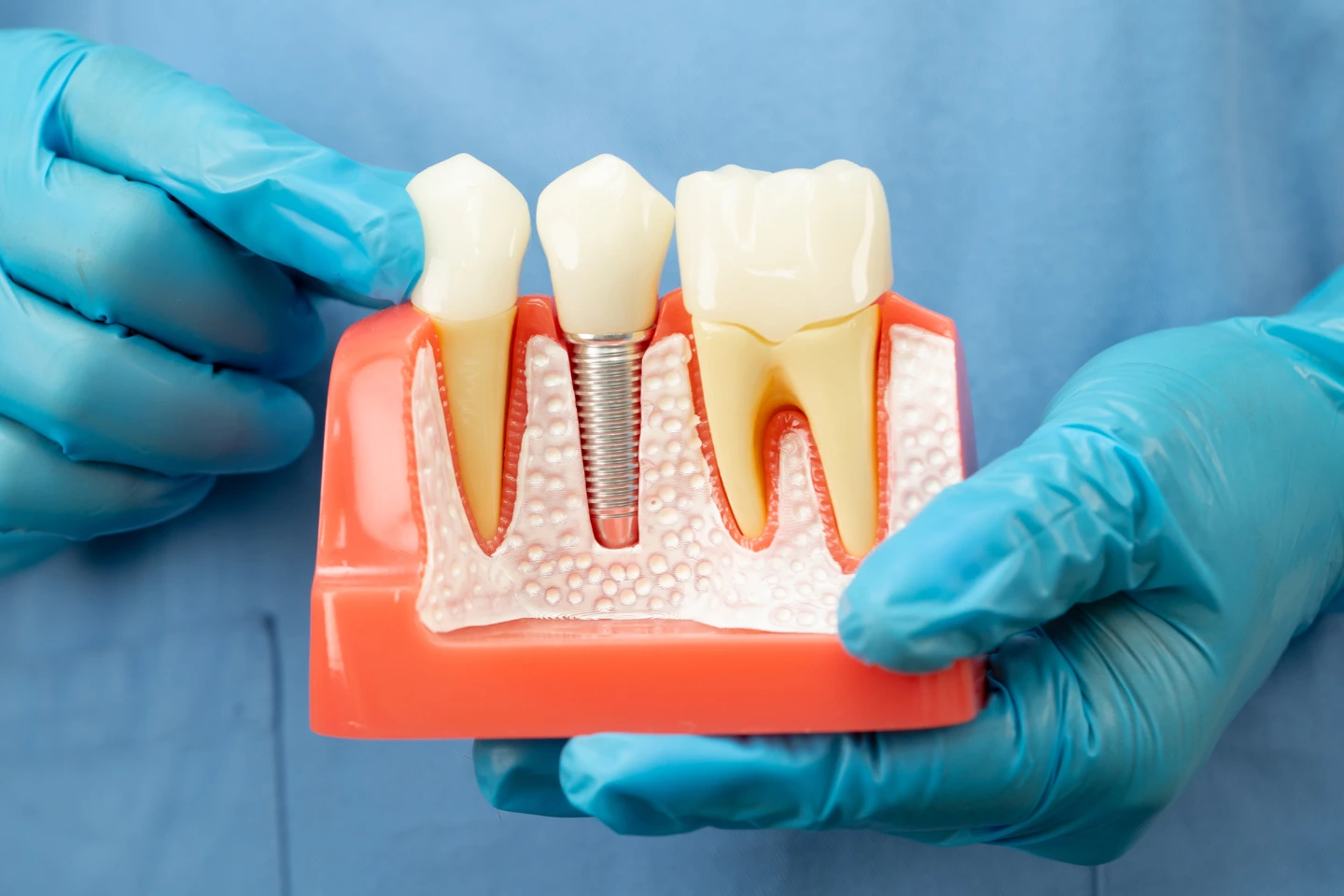
Dental Bridge vs Dental Implant: Which Option Is Better for Missing Teeth?
When replacing missing teeth, people often compare dental bridges and dental implants. Both options are designed to restore function and appearance after tooth loss. However, the best choice depends on individual health, comfort, and practical considerations. For many elderly or homebound patients in Manhattan, Queens, and Long Island, maintaining existing dental bridges through home dental care and mobile dentist visits can be a practical and comfortable solution.
Introduction
If you are researching tooth replacement options, you may have come across the common question: Which is better, a dental bridge or a dental implant? Both options are widely used to restore missing teeth and improve chewing ability and appearance.
However, the right option can vary depending on a person's overall health, oral condition, and lifestyle. For elderly or homebound individuals, accessibility and comfort are also important considerations.
This article explains the differences between dental bridges and dental implants, how they work, and why home dental care from a mobile dentist can help maintain oral health for patients who already have dental bridges. It also explains how dentists for homebound patients support oral health through non-invasive care provided in the comfort of the home.
What Is a Dental Bridge?
A dental bridge is a fixed dental restoration used to replace one or more missing teeth. It fills the space left by missing teeth and helps restore chewing ability and speech.
A dental bridge is not a removable denture, and it does not involve surgical placement into the jaw. Instead, it is designed to remain securely in place and function similarly to natural teeth.
Dental bridges are commonly used by adults who want a stable tooth replacement solution that restores normal function.
For many elderly patients, bridges may have been placed years ago and continue to serve an important role in everyday comfort. Maintaining these restorations through home dental care and professional monitoring helps ensure they remain functional.
For example, an older adult who lost a tooth years earlier may rely on a bridge to chew comfortably. With proper care and routine evaluations, that bridge may continue functioning effectively for many years.
Why Replacing Missing Teeth Matters
Replacing missing teeth helps maintain oral comfort, chewing ability, and overall oral health.
Restoring chewing ability
Missing teeth can make chewing certain foods difficult. A dental bridge helps restore chewing function so patients can eat more comfortably.
Supporting speech and confidence
Missing teeth may affect how certain words are pronounced. Replacing the tooth gap helps support clearer speech and a more natural smile.
Maintaining oral balance
Teeth help support the structure of the mouth. Replacing missing teeth helps maintain proper alignment and everyday comfort.
For elderly individuals who already have bridges, regular oral health monitoring from a mobile dentist helps maintain these benefits over time.
How Dental Bridges and Dental Implants Differ
Dental bridges and dental implants are both used to replace missing teeth, but they function differently.
Dental Bridge
A dental bridge replaces a missing tooth by filling the space between existing teeth. It restores chewing ability and helps maintain the appearance of a complete smile.
Dental Implant
A dental implant is another type of tooth replacement option that involves placement into the jawbone. Because this approach involves specialized treatment typically performed in a dental clinic environment, it is not part of home dental care services.
For many patients who already have dental bridges, the focus is often on maintaining existing restorations through proper oral hygiene and professional monitoring.
Patients who are elderly or homebound may benefit from mobile dentist services and home dental care that help maintain oral health without the need for travel.
You can learn more about how dental bridges are evaluated during home visits here:https://www.visident.com/in-home-bridges
For elderly individuals in Manhattan, Queens, and Long Island, this type of mobile dentist service can make maintaining oral health much more accessible.
Common Misconceptions About Dental Bridges
“Dental bridges do not last long.”
In reality, many dental bridges last 10–15 years or longer when patients maintain good oral hygiene and receive regular dental care.
“Dental bridges do not require maintenance.”
Like natural teeth, bridges benefit from regular dental monitoring and professional cleanings.
“Dental care always requires a clinic visit.”
For elderly or homebound individuals, dentist-at-home services allow many essential dental evaluations to take place comfortably at home.
Home dental visits focus on exams, cleanings, x-rays, denture adjustments, and oral health monitoring, helping patients maintain comfort and oral hygiene safely.
Examples of Home Dental Care for Bridge Maintenance
Patient in Manhattan
An elderly patient living in Manhattan who has difficulty traveling may schedule visits with a mobile dentist for elderly patients to monitor oral health and maintain existing dental bridges.
Caregiver-supported patient in Queens
A caregiver helping a family member in Queens may arrange dentist service at home for routine oral health checks and cleanings.
Patient in Long Island
A patient in Long Island who cannot easily visit a dental clinic may rely on at-home dental services to maintain oral hygiene and ensure dental restorations remain comfortable.
These visits help maintain oral health without the stress of traveling to a clinic.
FAQs
Q: Which is better: a dental bridge or a dental implant?
A: Both options are designed to replace missing teeth, but the best choice depends on individual needs, health considerations, and professional dental evaluation.
Q: How long do dental bridges last?
A: Most dental bridges last 10–15 years or longer when patients maintain good oral hygiene and receive regular dental care.
Q: Can a mobile dentist evaluate my dental bridge?
A: Yes. A mobile dentist or home-visit dentist can evaluate the condition of your bridge, check surrounding teeth and gums, and provide professional cleanings at home.
Q: Can elderly patients maintain dental bridges at home?
A: Yes. At-home dental services allow elderly or homebound patients to receive exams, cleanings, and oral health monitoring without needing to visit a dental office.
Q: Who benefits most from home dental care?
A: Patients who are elderly, medically limited, or homebound often benefit most from mobile dentist services and dentist-at-home visits.
Key Takeaways
• Dental bridges and dental implants are both used to replace missing teeth.
• Dental bridges help restore chewing ability and appearance after tooth loss.
• Many dental bridges last 10–15 years or longer with proper care.
• Mobile dentist services and home dental care help elderly and homebound patients maintain oral health.
• Patients in Manhattan, Queens, and Long Island can receive dental support through convenient home-visit dentistry.
Conclusion
Choosing between tooth replacement options depends on many individual factors. However, maintaining existing dental restorations and oral health remains essential for long-term comfort.
For elderly or homebound patients, mobile dentist services and home dental care provide an accessible way to maintain oral hygiene, monitor dental bridges, and support overall dental wellness.
Visident Dental Services focuses on honest assessments and essential care, helping patients maintain oral health comfortably without unnecessary procedures.
If you or a loved one in Manhattan, Queens, or Long Island would benefit from dental care at home, you can learn more about bridge evaluations and home dental services here:https://www.visident.com/in-home-bridges
Sources
American Dental Association — Tooth Replacement Options
National Institute of Dental and Craniofacial Research
Clinical literature on dental bridge longevity
Last updated: March 2026
Author & Reviewer
Author: Visident Dental Services Editorial Team
Reviewed by: Dr.Frank Adriani, DDS
Home-Visit Dentist | PhD Candidate | Published Dental Researcher
Review Date: March 2026


Hours
Mon–Fri: 9 a.m.–5 p.m.
Sat–Sun: Closed


Visident Dental Services delivers compassionate, professional home dental care to homebound, elderly, and mobility-limited patients across NYC and Long Island.
© 2026 Visident Dental Services | All Rights Reserved | Privacy Policy | Digital Marketing by Remedo