The Role of a Dentist in Palliative and End-of-Life Care
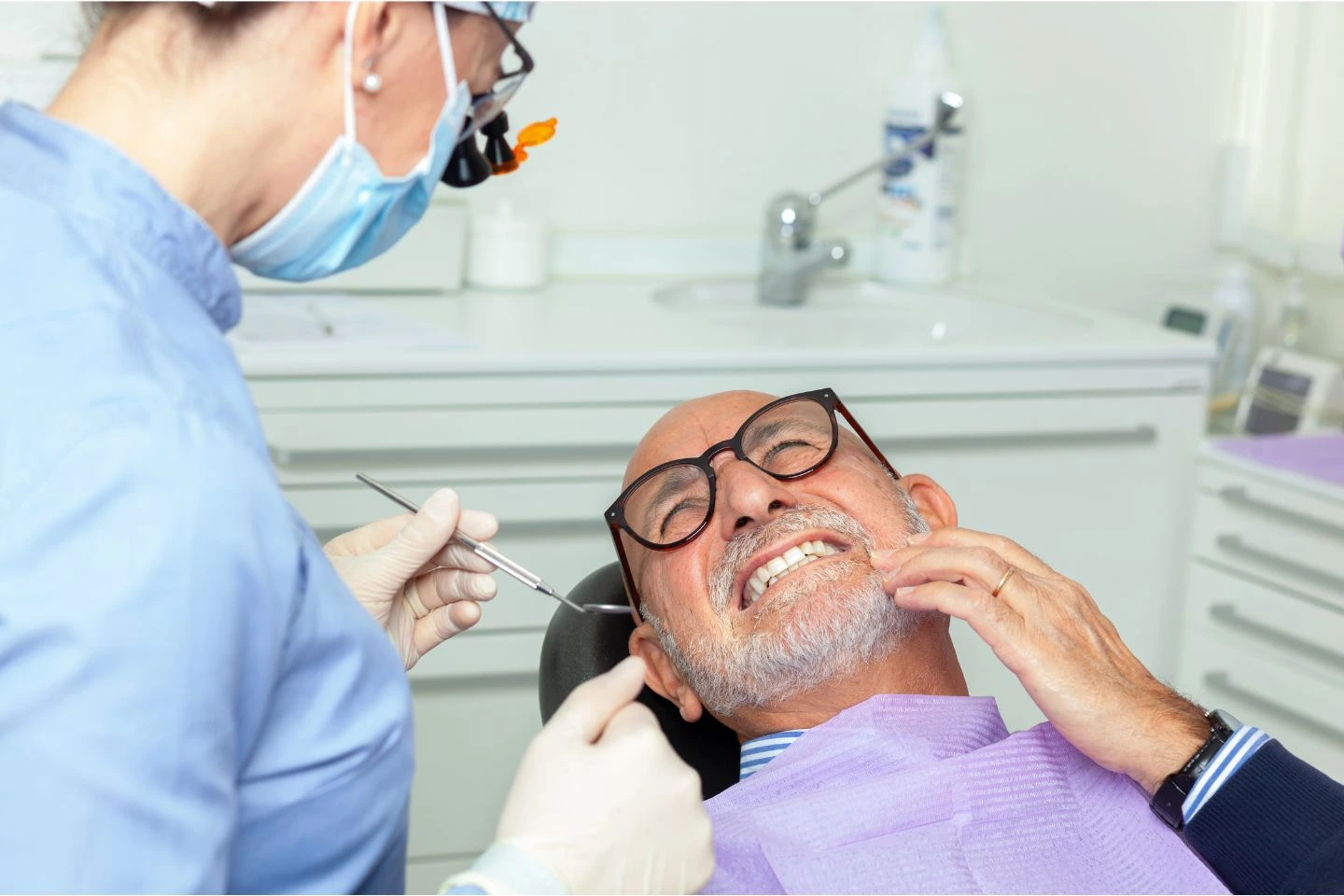
Dental care can remain an important part of a patient's comfort and quality of life even when the focus of healthcare has shifted towards palliative or end-of-life care. Oral problems can affect eating, drinking, speaking, sleeping, and overall comfort, which may become especially significant for patients with advanced illness or complex health needs.
For patients receiving palliative care, dentistry may not always focus on extensive restorative treatment. Instead, the priority may be maintaining oral comfort, addressing symptoms, supporting basic oral function, and helping patients and caregivers understand appropriate care options.
A dentist can play an important role by evaluating the patient's oral health, identifying sources of discomfort, managing appropriate dental concerns, and providing guidance to caregivers.
For elderly and homebound patients, home dental care can make professional dental support more accessible by allowing care to be provided in a familiar environment.
At Visident Dental Services, we provide compassionate home dental care throughout Manhattan, Queens (Bayside), and Long Island, with an emphasis on patient comfort, individualized recommendations, and appropriate treatment planning.
What Is the Role of a Dentist in Palliative Care?
The role of a dentist in palliative care extends beyond treating individual teeth. The dentist considers how oral health is affecting the patient's comfort, ability to eat and drink, oral hygiene, communication, and daily quality of life.
Palliative dental care takes an individualized approach. Rather than automatically pursuing every possible dental procedure, the dentist considers the patient's current health, symptoms, ability to tolerate treatment, and personal preferences.
Depending on the patient's needs, the dentist may:
- Assess oral pain or discomfort
- Examine the teeth, gums, and oral tissues
- Identify potential sources of irritation
- Evaluate dentures when applicable
- Address appropriate dental infections
- Provide professional oral hygiene care when appropriate
- Recommend ways to maintain oral comfort
- Discuss treatment options with patients and caregivers
- Help families understand available dental care options
The appropriate approach depends on each patient's circumstances and goals.
Why Oral Health Matters During End-of-Life Care
When a patient is receiving end-of-life care, oral health may sometimes receive less attention than other medical concerns. However, problems inside the mouth can have a noticeable effect on comfort.
Oral discomfort may make it difficult for a patient to:
- Eat comfortably
- Drink fluids
- Swallow
- Speak
- Sleep
- Wear dentures
- Maintain oral hygiene
- Participate in normal daily activities
For a patient whose care is focused on comfort, addressing these concerns may be an important part of supporting quality of life.
The goal is not necessarily to restore every dental problem. Instead, dental care can be tailored to what is appropriate for the patient's current condition and wishes.
How a Dentist Can Support Patient Comfort
A dentist can help identify oral conditions that may be contributing to discomfort.
During an assessment, the dentist may look for:
- Tooth decay
- Broken or damaged teeth
- Dental infections
- Gum irritation
- Oral sores
- Sharp areas that may injure oral tissues
- Denture-related irritation
- Changes in oral tissues
- Areas that may be difficult to clean
A dental examination allows the dentist to assess the patient's current oral condition and discuss which options may be appropriate.
In some situations, treatment may be recommended to address a specific source of discomfort. In others, supportive measures may be more appropriate.
Managing Oral Pain and Discomfort
Pain can significantly affect a patient's comfort and daily routine. A dentist can assess whether dental conditions may be contributing to the discomfort and discuss appropriate options.
Possible sources of oral pain include:
- Tooth decay
- Dental infection
- Cracked teeth
- Broken teeth
- Gum problems
- Existing dental restorations
- Denture irritation
- Oral sores
- Trauma to oral tissues
Appropriate dental pain management depends on the cause of the discomfort and the patient's individual circumstances.
For patients receiving palliative care, treatment decisions may also consider whether a procedure is likely to provide meaningful relief and whether the patient can comfortably tolerate it.
The Importance of Maintaining Oral Hygiene
Daily oral hygiene remains important even when a patient's overall healthcare goals have shifted towards comfort-focused care.
However, patients receiving palliative or end-of-life care may have difficulty brushing and maintaining their mouth independently.
They may experience:
- Reduced mobility
- Fatigue
- Weakness
- Difficulty holding a toothbrush
- Difficulty reaching certain areas
- Reduced ability to communicate discomfort
- Dependence on caregivers for daily activities
Caregivers may therefore need to assist with oral hygiene according to the patient's abilities and the guidance provided by healthcare and dental professionals.
A dentist can provide individualized advice about maintaining a clean and comfortable mouth while taking the patient's condition and tolerance into consideration.
The Role of the Dentist in Denture Care
Dentures can play an important role in eating, speaking, and everyday comfort for patients who wear them.
However, dentures can become uncomfortable if the fit changes or if the tissues underneath become irritated.
A dentist can assess:
- Denture fit
- Pressure areas
- Sore spots
- Gum condition
- Oral tissue irritation
- Denture cleanliness
- Changes affecting denture comfort
Appropriate denture care may help reduce irritation and make everyday denture use more comfortable when wearing dentures remains appropriate for the patient.
Patients should not be expected to tolerate persistent denture discomfort without an evaluation.
Managing Dry Mouth and Oral Irritation
Reduced saliva can contribute to oral discomfort and may make eating, drinking, speaking, and swallowing more difficult.
Patients receiving palliative care may experience dry mouth for several possible reasons, including their underlying health conditions or medications.
A dentist can assess the mouth and provide individualized recommendations for maintaining oral comfort.
The assessment may consider:
- Oral dryness
- Irritated tissues
- Difficulty eating
- Difficulty swallowing
- Oral hygiene
- Denture comfort
- Signs of tooth decay or other oral concerns
The appropriate recommendations depend on the individual patient's needs and circumstances.
Addressing Dental Infections When Appropriate
Dental infections can cause pain, swelling, tenderness, and other symptoms. When a patient receiving palliative or end-of-life care develops signs of an oral infection, a dental assessment can help determine the possible source and appropriate approach.
The dentist may evaluate the teeth, gums, and surrounding tissues to identify signs that may be contributing to the patient's discomfort.
Depending on the patient's circumstances and goals, treatment may focus on addressing the source of infection or improving comfort.
The decision should be individualized and should take the patient's overall health and ability to tolerate treatment into account.
How Dentists Work With Patients and Caregivers
Palliative dental care often involves communication between the dentist, patient, family members, and caregivers.
Caregivers may notice changes that the patient has difficulty explaining.
These can include:
- Refusing food
- Eating less than usual
- Difficulty chewing
- Avoiding dentures
- Changes in drinking habits
- Facial expressions suggesting discomfort
- Increased irritability
- Difficulty sleeping
- Changes in oral hygiene
- Bad breath or unusual oral odour
Sharing these observations with the dentist can help provide a more complete understanding of the patient's oral health.
The dentist can then explain the findings and discuss options with the patient and caregivers.
Respecting the Patient's Goals and Preferences
Palliative and end-of-life dental care should be individualized according to the patient's needs and preferences.
Some patients may wish to receive treatment that addresses a particular dental problem. Others may prefer to avoid procedures that could be physically demanding or uncomfortable.
Treatment decisions may consider:
- The patient's overall health
- Current symptoms
- Oral condition
- Treatment tolerance
- Functional needs
- Expected benefits of treatment
- Personal preferences
- Family or caregiver considerations
The dentist's role is to assess the oral condition, explain available options, and support informed discussions about appropriate care.
Does End-of-Life Dental Care Mean Treatment Is Stopped?
No. The focus of dental care may change, but that does not necessarily mean that all dental care should stop.
For some patients, a dental procedure may provide meaningful relief from a specific source of discomfort. For others, supportive oral care may be more appropriate.
The aim is to provide care that is consistent with the patient's current needs and goals.
This may involve:
- Addressing painful areas
- Managing oral irritation
- Supporting denture comfort
- Maintaining oral hygiene
- Evaluating possible infections
- Providing caregiver guidance
- Monitoring changes in the mouth
- Discussing treatment options with the patient and family
The appropriate approach should be determined through an individualized dental assessment.
Why Home Dental Care Can Be Helpful
Travelling to a dental office can be difficult for elderly, homebound, or medically complex patients.
Limited mobility, fatigue, transportation difficulties, and the demands of managing other healthcare appointments can make traditional dental visits challenging.
A home-visit dentist can provide dental care in the patient's familiar surroundings.
No Need to Travel
Home dental visits eliminate the need for the patient to travel to and from a dental office.
This can reduce the physical demands associated with arranging transportation and moving between locations.
Care in a Familiar Environment
A familiar environment may be more comfortable for patients who become fatigued or distressed when travelling.
The dentist can assess the patient in surroundings they already know.
Easier Caregiver Involvement
Family members and caregivers can participate in discussions about symptoms, oral hygiene, treatment options, and the patient's preferences.
This can be especially helpful when caregivers are responsible for supporting daily oral care.
Individualized Attention
Home dental care allows the dentist to focus on the patient's specific circumstances and current oral health needs.
This can be particularly relevant when treatment decisions need to consider the patient's overall health and comfort.
What Happens During a Home Dental Visit?
A home dental appointment generally begins with a discussion about the patient's current symptoms and concerns.
The dentist may ask about:
- Current tooth or mouth pain
- Changes in eating habits
- Difficulty chewing
- Difficulty swallowing
- Denture problems
- Oral hygiene
- Previous dental concerns
- Changes noticed by caregivers
The dentist can then perform an oral assessment based on the patient's needs and circumstances.
Depending on the situation, the visit may include:
- Comprehensive oral examination
- Evaluation of teeth and gums
- Assessment of oral tissues
- Evaluation of painful or irritated areas
- Denture evaluation when applicable
- Professional dental cleaning when appropriate
- Digital x-rays when indicated
- Discussion of comfort-focused treatment options
- Oral hygiene guidance
- Caregiver education
Following the assessment, the dentist can discuss the findings with the patient and family and explain the available options.
When Should a Dentist Be Contacted?
A dental evaluation may be appropriate when a patient receiving palliative or end-of-life care develops:
- Persistent tooth pain
- Mouth pain
- Difficulty chewing
- Difficulty eating or drinking
- A broken or damaged tooth
- Facial swelling
- Swollen or bleeding gums
- Mouth sores
- Denture discomfort
- Difficulty maintaining oral hygiene
- Changes in eating habits
- Signs of discomfort during meals
Sudden facial swelling, difficulty breathing, uncontrolled bleeding, or other severe symptoms may require urgent medical or emergency evaluation rather than waiting for a routine home dental visit.
Supporting Caregivers With Oral Health Guidance
Caregivers often become an important part of maintaining a patient's daily oral health.
A dentist can provide guidance about:
- Brushing and daily oral hygiene
- Denture cleaning
- Recognizing oral irritation
- Monitoring changes in the mouth
- Identifying signs of dental discomfort
- Reporting changes in eating or drinking
- When to request a dental evaluation
This guidance can help caregivers feel more prepared to support the patient's oral comfort while respecting the patient's individual needs.
The Difference Between Restorative and Comfort-Focused Dental Care
Traditional restorative dentistry may focus on repairing teeth, replacing missing teeth, or addressing dental disease with the goal of maintaining oral health and function.
In palliative care, the priorities may be different.
Comfort-focused dental care may place greater emphasis on:
- Relieving discomfort
- Reducing oral irritation
- Supporting eating and drinking
- Maintaining oral hygiene
- Supporting denture comfort
- Managing appropriate infections
- Avoiding unnecessary treatment
- Preserving dignity and quality of life
This does not mean that restorative treatment is automatically excluded. Instead, the dentist considers whether a particular treatment is appropriate for the patient's current circumstances.
Compassionate Dental Care for Patients and Families
Dental care can remain an important part of supportive care throughout serious illness. Even when extensive dental treatment is not the primary goal, addressing oral discomfort and maintaining a clean, comfortable mouth can contribute to a patient's everyday wellbeing.
At Visident Dental Services, we understand that elderly, medically complex, and homebound patients may require an individualized approach to dental care.
Our home dental services are designed to provide professional dental attention in a familiar environment while considering the patient's comfort, oral health, needs, and preferences.
Led by Dr. Frank Adriani, DDS, a PhD Candidate and published dental researcher, Visident Dental Services provides home dental care throughout Manhattan, Queens (Bayside), and Long Island.
Key Takeaways
- Dentists can play an important role in supporting oral comfort during palliative and end-of-life care.
- Dental care may focus on comfort, function, oral hygiene, and quality of life rather than extensive treatment.
- Tooth pain, oral infections, denture irritation, dry mouth, and oral sores may affect patient comfort.
- Caregivers can help identify changes in eating, denture use, oral hygiene, and behaviour.
- Dentists can provide guidance to patients, families, and caregivers about appropriate oral care.
- Treatment decisions should consider the patient's overall health, treatment tolerance, symptoms, needs, and preferences.
- Home dental visits can make professional dental care more accessible for elderly and homebound patients.
- A dental evaluation can help identify oral concerns and discuss appropriate treatment or supportive care options.
Conclusion
The role of a dentist in palliative and end-of-life care extends beyond treating individual teeth. Dental professionals can help identify sources of oral discomfort, support oral hygiene, evaluate dentures, address appropriate dental infections, and provide guidance to patients and caregivers.
For patients receiving palliative care, maintaining oral comfort may help support everyday activities such as eating, drinking, speaking, and sleeping. The appropriate approach depends on the patient's current health, oral condition, ability to tolerate treatment, and personal goals.
Palliative dental care does not necessarily mean avoiding dental treatment. Instead, it involves considering which options are appropriate for the individual patient and whether a particular intervention may support comfort or function.
For elderly and homebound patients, home dental care can make professional dental attention more accessible without requiring travel to a traditional dental office.
Visident Dental Services provides compassionate home dental care throughout Manhattan, Queens (Bayside), and Long Island. Led by Dr. Frank Adriani, DDS, a PhD Candidate and published dental researcher, our practice focuses on individualized care that considers each patient's oral health, comfort, circumstances, and goals.
FAQs
Q: Why is dental care important during palliative and end-of-life care?
A: Oral health can affect eating, drinking, speaking, sleeping, and everyday comfort. A dentist can help identify and address oral concerns while considering the patient's overall health, comfort, and individual goals.
Q: What does a dentist do for a patient receiving palliative care?
A: A dentist may evaluate oral pain, examine the teeth and gums, assess dentures, identify areas of irritation, address appropriate dental infections, provide oral hygiene guidance, and discuss treatment options based on the patient's circumstances.
Q: Does palliative dental care mean that dental treatment is avoided?
A: No. Palliative dental care focuses on providing the type of dental care that is appropriate for the individual patient. Treatment may still be recommended when it is likely to address discomfort or support function.
Q: Can a dentist provide end-of-life dental care at home?
A: Yes. A home-visit dentist can evaluate the patient's oral health in their home and discuss appropriate treatment or comfort-focused care. This can be particularly helpful for elderly and homebound patients who have difficulty travelling.
Q: How can caregivers tell if a patient has an oral health problem?
A: Caregivers may notice changes such as refusing food, difficulty chewing, avoiding dentures, changes in eating habits, facial expressions suggesting discomfort, increased irritability, or difficulty maintaining oral hygiene. These changes can be discussed with a dental professional.
Q: Can a dentist help with denture discomfort during palliative care?
A: Yes. A dentist can evaluate denture fit, areas of irritation, and the condition of the gums and oral tissues. Appropriate denture care may help address discomfort when dentures remain suitable for the patient.
Q: What happens during a home dental visit for a palliative care patient?
A: Depending on the patient's needs, a home dental visit may include a review of symptoms, an oral examination, evaluation of teeth and gums, denture assessment, professional cleaning when appropriate, digital x-rays when indicated, and discussion of treatment or comfort-focused options.
Q: When should a palliative care patient receive a dental evaluation?
A: A dental evaluation may be appropriate for persistent tooth or mouth pain, difficulty chewing, difficulty eating or drinking, broken teeth, facial swelling, swollen or bleeding gums, mouth sores, denture discomfort, or other changes that suggest oral discomfort.
Author & Reviewer
Author: Visident Dental Services Editorial Team
Reviewed by: Dr. Frank Adriani, DDS
Home-Visit Dentist | PhD Candidate | Published Dental Researcher


Hours
Mon–Fri: 9 a.m.–5 p.m.
Sat–Sun: Closed


Visident Dental Services delivers compassionate, professional home dental care to homebound, elderly, and mobility-limited patients across NYC and Long Island.
© 2026 Visident Dental Services | All Rights Reserved | Privacy Policy | Digital Marketing by Remedo