Is It Painful to Get a Dental Crown?
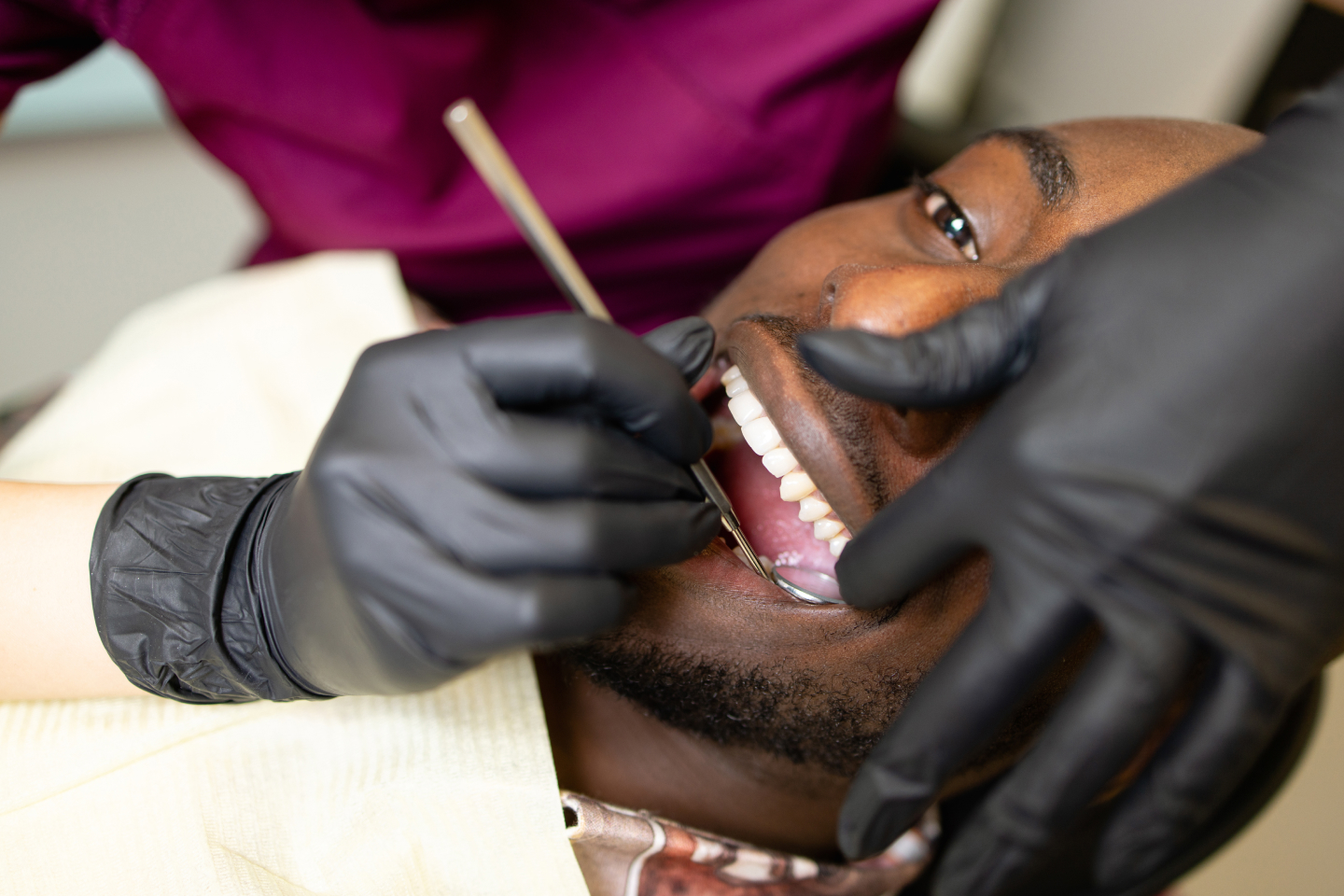
Does Getting a Dental Crown Hurt?
Most patients experience little to no pain when receiving a dental crown. The procedure is typically performed with local anesthesia to keep the area comfortable. Some mild sensitivity or soreness may occur afterward, but it usually resolves within a few days. For elderly or homebound patients in Manhattan, Queens, and Long Island, maintaining crowns through regular checkups and home dental care can help keep them functioning comfortably for many years.
Introduction
If your dentist has recommended a dental crown, one of the first questions you might ask is: Is it painful to get a crown? It’s a common concern, especially for patients who feel anxious about dental procedures or have had sensitive teeth in the past.
Dental crowns are commonly used to restore the strength and appearance of a damaged tooth. The process is designed to protect the tooth and allow patients to chew comfortably again. Most patients are surprised to learn that the procedure itself is usually comfortable.
For elderly or homebound individuals, maintaining dental restorations such as crowns can sometimes feel challenging if traveling to a clinic is difficult. In these situations, home dental care and mobile dentist visits can help monitor oral health and ensure restorations remain comfortable and functional.
In this article, we will explain what dental crowns are, whether the process is painful, and how dentist-at-home services help homebound patients maintain good oral health.
What Is a Dental Crown?
A dental crown is a protective cap placed over a damaged or weakened tooth. It restores the shape, strength, and appearance of the tooth while helping it function normally.
Dental crowns are often used when a tooth has become weakened from wear, decay, or a previous dental restoration. The crown covers the visible portion of the tooth and helps protect it from further damage.
A crown is not a removable appliance. Once placed, it functions like a natural tooth and becomes part of the patient’s normal bite.
For many patients, crowns are placed years earlier and continue to serve an important role in everyday oral function. With proper care and regular dental evaluations, crowns can last many years.
Why Dental Crowns Matter for Oral Health
Dental crowns are designed to strengthen and protect teeth that may otherwise be at risk.
Protecting weakened teeth
A crown helps reinforce a damaged tooth and restore its strength. This allows patients to chew comfortably and maintain everyday oral function.
Restoring normal bite function
When a tooth becomes weakened or damaged, chewing can become uncomfortable. A crown helps restore normal chewing ability and allows the tooth to function properly.
Maintaining the appearance of the smile
Crowns are designed to look similar to natural teeth and help restore the appearance of a healthy smile.
For patients who already have crowns, routine monitoring and professional cleaning from a mobile dentist can help keep surrounding teeth and gums healthy.
What to Expect When Getting a Crown
Although every patient’s experience is slightly different, the process is generally designed to keep patients comfortable.
Step 1: Numbing the area
Before beginning, the dentist typically uses local anesthesia to ensure the tooth and surrounding area are comfortable.
Step 2: Preparing the tooth
The tooth is gently prepared so the crown can fit properly.
Step 3: Placing the crown
Once the crown is ready, it is placed over the tooth and adjusted to ensure a comfortable fit.
Step 4: Checking bite and comfort
The dentist checks how the crown fits when you bite and ensures it feels natural.
Most patients report feeling pressure rather than pain during the procedure.
After the appointment, some mild sensitivity may occur as the tooth adjusts, but this usually improves within a few days.
For patients who already have crowns, regular oral health monitoring helps ensure the crown remains comfortable and stable over time.
Common Concerns About Dental Crowns
“Getting a crown is painful.”
Most patients do not feel pain during the procedure because the area is numbed beforehand. Any temporary sensitivity afterward is usually mild and short-lived.
“Crowns always cause long-term discomfort.”
When properly placed and maintained, crowns typically feel similar to natural teeth.
“Dental care always requires a clinic visit.”
For elderly or homebound individuals, mobile dentist services and home dental care can provide essential dental evaluations and cleanings in the comfort of home.
Home dental visits focus on exams, cleanings, x-rays, denture adjustments, and oral health monitoring, helping patients maintain oral hygiene safely.
Examples of Home Dental Care for Patients With Crowns
Homebound patient in Manhattan
An elderly patient living in Manhattan who has difficulty traveling may schedule visits with a mobile dentist for elderly patients to monitor oral health and check existing dental restorations.
Caregiver-supported patient in Queens
A caregiver helping a family member in Queens may arrange dentist-at-home service for regular dental evaluations and professional cleanings.
Patient in Long Island
A patient in Long Island who cannot easily visit a dental office may rely on at-home dental services to maintain oral hygiene and monitor dental restorations.
These visits help ensure oral health is maintained without the stress of transportation.
FAQs
Q: Is getting a dental crown painful?
A: Most patients do not experience pain during a crown procedure because the area is numbed with local anesthesia. Mild sensitivity afterward is possible but usually temporary.
Q: How long do dental crowns last?
A: Dental crowns can often last 10–15 years or longer with proper care and regular dental monitoring.
Q: Can a mobile dentist check my dental crown?
A: Yes. A mobile dentist or home-visit dentist can examine the crown, evaluate surrounding teeth and gums, and provide professional cleanings at home.
Q: Can elderly patients receive dental care at home?
A: Yes. At-home dental services allow elderly or homebound patients to receive exams, cleanings, and oral health monitoring without leaving home.
Q: Who benefits most from home dental care?
A: Patients who are elderly, medically limited, or homebound often benefit most from mobile dentist services and dentist-at-home visits.
Key Takeaways
• Getting a dental crown is usually not painful because the area is numbed during the procedure.
• Some mild sensitivity after treatment may occur, but it typically improves quickly.
• Dental crowns help restore strength, appearance, and chewing function.
• Mobile dentist services and home dental care help elderly and homebound patients maintain oral health.
• Patients in Manhattan, Queens, and Long Island can receive convenient dental care through home-visit dentistry.
Conclusion
Dental crowns are designed to restore and protect damaged teeth while allowing patients to chew and speak comfortably. Although many people worry that the process may be painful, most patients experience little discomfort during the procedure.
For elderly or homebound individuals, maintaining oral health and dental restorations can be easier with home dental care and mobile dentist services.
Visident Dental Services focuses on honest assessments and essential care, helping patients maintain oral health comfortably without unnecessary procedures.
If you or a loved one in Manhattan, Queens, or Long Island would benefit from dental care at home, you can learn more about available services here:
https://www.visident.com/in-home-crowns
Sources
American Dental Association — Dental Crown Information
National Institute of Dental and Craniofacial Research
Clinical dental literature on crown longevity and restoration care
Last updated: March 2026
Author & Reviewer
Author: Visident Dental Services Editorial Team
Reviewed by: Dr. Frank Adriani, DDS
Home-Visit Dentist | PhD Candidate | Published Dental Researcher
Review Date: March 2026


Hours
Mon–Fri: 9 a.m.–5 p.m.
Sat–Sun: Closed


Visident Dental Services delivers compassionate, professional home dental care to homebound, elderly, and mobility-limited patients across NYC and Long Island.
© 2026 Visident Dental Services | All Rights Reserved | Privacy Policy | Digital Marketing by Remedo