How Palliative Dental Care Improves Comfort During Serious Illness
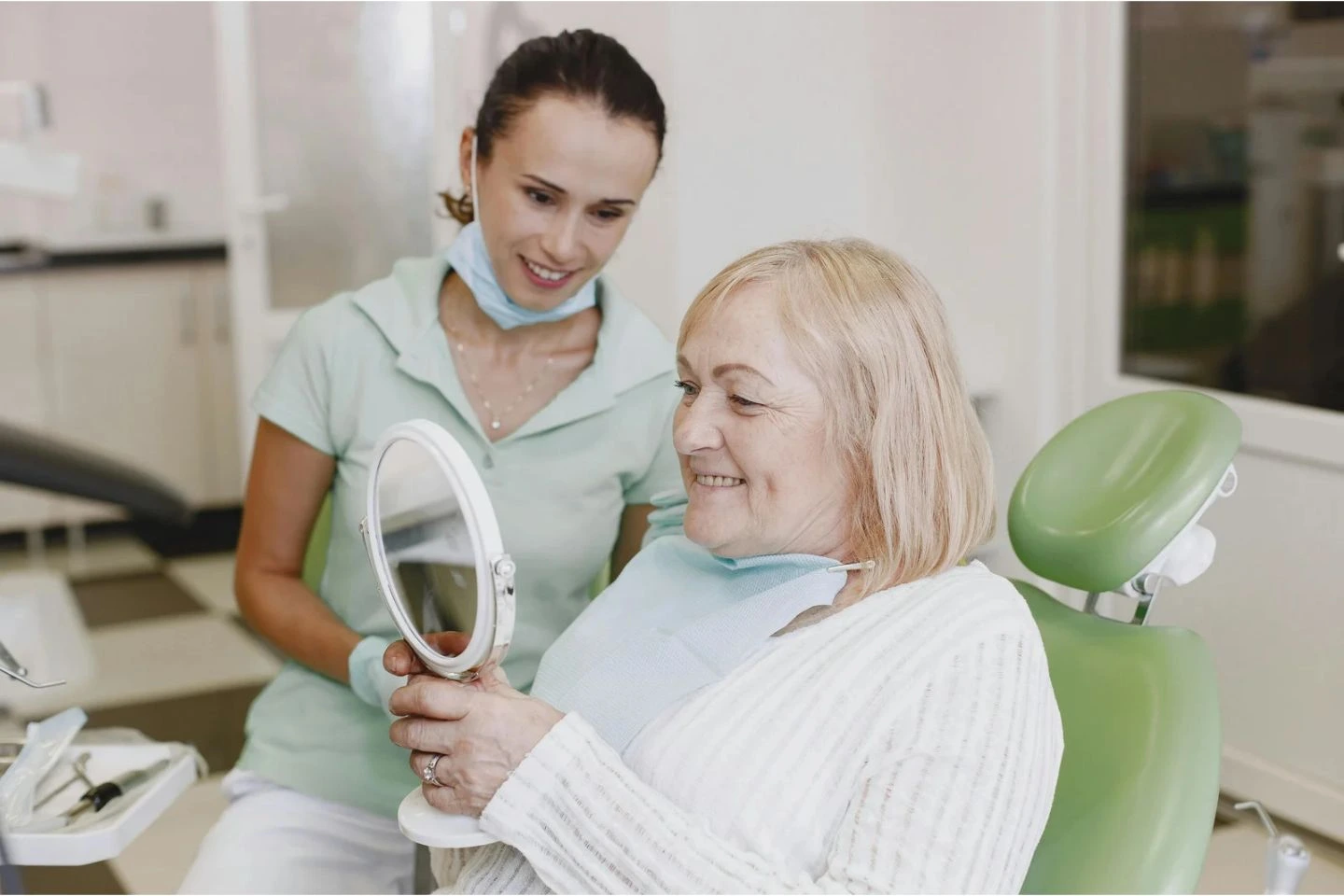
How Can Dental Care Improve Comfort During Serious Illness?
Serious illness can affect many aspects of a person's daily life, including their ability to eat, drink, speak, sleep, and maintain oral hygiene. Dental problems such as tooth pain, dry mouth, oral irritation, gum inflammation, or uncomfortable dentures can add another layer of discomfort.
Palliative dental care focuses on identifying and managing oral problems that may affect comfort and quality of life. Rather than automatically pursuing extensive dental treatment, the approach considers the patient's current health, symptoms, treatment tolerance, and individual goals.
For elderly and homebound patients, receiving care from a home-visit dentist can make dental support more accessible by bringing professional evaluation and appropriate preventive or comfort-focused services directly to the patient's home.
At Visident Dental Services, we provide compassionate home dental care throughout Manhattan, Queens (Bayside), and Long Island, helping patients and families address oral health concerns with comfort and dignity in mind.
Introduction
When someone is living with a serious illness, dental care may not always be the first concern. Medical appointments, medications, physical symptoms, and daily care needs often take priority.
However, oral discomfort can significantly affect a patient's quality of life. A painful tooth, irritated gums, dry mouth, or poorly fitting dentures can make it harder to eat and drink comfortably. Even routine oral hygiene can become challenging when a patient is weak, fatigued, or experiencing other health limitations.
Palliative dental care recognizes the importance of keeping the mouth as comfortable and healthy as possible while taking the patient's overall circumstances into account.
The goal is not necessarily to pursue every available dental procedure. Instead, the dentist evaluates the patient's oral condition and works with the patient, family, and caregivers to determine what care is most appropriate.
For patients who have difficulty traveling because of serious illness or limited mobility, home dental visits can provide a more convenient way to receive professional dental attention.
At Visident Dental Services, our home-visit dentist provides patient-centered dental care throughout Manhattan, Queens (Bayside), and Long Island.
What Is Palliative Dental Care?
Palliative dental care is a patient-centered approach that prioritizes comfort, symptom management, oral function, and quality of life.
For a patient living with serious illness, treatment decisions may need to account for more than the dental problem itself. The dentist may consider the patient's overall health, medications, mobility, ability to tolerate procedures, and personal preferences.
Depending on the circumstances, palliative dental care may include:
- Evaluation of dental pain
- Assessment of gum and oral tissue health
- Management of oral irritation
- Professional oral hygiene care when appropriate
- Denture evaluation
- Identification of sources of discomfort
- Treatment of certain oral infections when appropriate
- Guidance for patients and caregivers
- Discussion of appropriate treatment options
The specific services provided depend on the patient's individual needs and clinical circumstances.
How Serious Illness Can Affect Oral Health
Serious illness can make maintaining oral health more challenging. Patients may experience changes related to their condition, medications, diet, hydration, or ability to perform daily oral hygiene.
Common concerns may include:
Dry Mouth
Some medications and medical conditions can reduce saliva production. Dry mouth may cause:
- Mouth discomfort
- Difficulty chewing
- Difficulty swallowing
- Increased tooth decay risk
- Oral irritation
- Persistent bad breath
A dentist can assess the patient's symptoms and provide individualized recommendations for maintaining oral comfort.
Tooth Pain
Tooth pain can be particularly disruptive when a patient is already managing a serious illness.
Even relatively localized dental pain may interfere with:
- Eating
- Drinking
- Sleeping
- Speaking
- Daily comfort
A dental examination can help identify the source of the pain and determine whether treatment or another comfort-focused approach may be appropriate.
Gum Irritation
Weakness, reduced dexterity, changes in oral hygiene, or other health challenges can make it harder to keep the mouth clean.
Plaque accumulation can contribute to gum inflammation and oral discomfort. Professional evaluation and appropriate oral hygiene support can help manage these concerns.
Denture Discomfort
Patients who wear full or partial dentures may experience discomfort if their dentures become loose, damaged, or irritating.
This can make eating and speaking more difficult.
During a home visit, a dentist can evaluate the dentures and the underlying oral tissues and determine whether adjustments, minor repairs, or other recommendations may be appropriate.
How Palliative Dental Care Supports Eating and Drinking
Eating and drinking comfortably are important aspects of quality of life, particularly for patients who are already experiencing weakness or other challenges associated with serious illness.
Dental pain, mouth sores, dry mouth, gum irritation, and denture problems can make eating uncomfortable.
Comfort-focused dental care can help identify oral issues that may interfere with these everyday activities.
Depending on the patient's condition, dental care may focus on:
- Reducing sources of oral discomfort
- Managing denture irritation
- Supporting oral hygiene
- Identifying painful teeth or tissues
- Addressing appropriate dental concerns
- Providing caregivers with oral care guidance
The goal is to help maintain oral comfort while respecting the patient's overall treatment goals.
How Home Dental Visits Can Improve Comfort
Care Without the Stress of Traveling
For patients with serious illnesses, traveling to a dental office may be physically exhausting.
A home-visit dentist can provide an oral examination in the patient's familiar surroundings, eliminating the need for transportation to and from a dental office.
A Familiar Environment
Being cared for at home may be more comfortable for patients who are weak, fatigued, or uncomfortable in unfamiliar environments.
Home-based care allows the dental visit to take place around the patient's existing care routine.
Individualized Attention
Home dental visits allow the dentist to focus on the patient's specific oral concerns and circumstances.
The dentist can discuss findings and recommendations with the patient and, when appropriate, family members or caregivers.
Support for Caregivers
Caregivers may have questions about how to help a patient maintain oral hygiene or recognize signs of oral discomfort.
A home dental visit provides an opportunity to discuss:
- Daily oral hygiene
- Denture care
- Dry mouth concerns
- Changes in eating habits
- Signs of oral discomfort
- When a dental evaluation may be appropriate
What Oral Problems Should Families Watch For?
Patients with serious illnesses may not always communicate dental discomfort clearly. Family members and caregivers can watch for changes that may suggest an oral health problem.
These may include:
- Refusing or avoiding certain foods
- Difficulty chewing
- Difficulty swallowing
- Pulling away during oral care
- Avoiding dentures
- Facial expressions suggesting pain
- Increased irritability
- New or worsening bad breath
- Bleeding gums
- Mouth sores
- Swelling
- Tooth sensitivity
- Changes in eating or drinking habits
These signs do not necessarily indicate a dental problem, but they may warrant discussion with the patient's healthcare or dental team.
The Importance of Maintaining Oral Hygiene
Even when extensive dental treatment is not appropriate, maintaining basic oral hygiene remains important.
Regular oral care can help remove plaque and food debris and support a cleaner, more comfortable mouth.
Depending on the patient's abilities, caregivers may assist with:
- Gentle tooth brushing
- Cleaning dentures
- Cleaning the tongue and oral tissues as appropriate
- Maintaining regular oral hygiene routines
- Observing the mouth for changes
A dentist can provide individualized guidance based on the patient's condition and ability to participate in daily oral care.
Balancing Dental Treatment With the Patient's Overall Goals
One of the most important principles of palliative dental care is that treatment should be appropriate for the individual.
A patient with serious illness may not have the same treatment priorities as a healthy patient receiving routine dental care.
Treatment decisions may take into account:
- The patient's current health
- Severity of the dental problem
- Level of discomfort
- Ability to tolerate treatment
- Expected benefit of treatment
- Personal preferences
- Functional needs
- Family or caregiver considerations
The goal is to help patients and families understand their options so they can make informed decisions about care.
When Should a Patient With Serious Illness Receive a Dental Evaluation?
A dental evaluation may be appropriate when a patient develops:
- Persistent tooth or mouth pain
- Swollen gums or facial swelling
- Difficulty chewing
- Difficulty wearing dentures
- Mouth sores
- Bleeding or irritated oral tissues
- Persistent dry mouth
- Difficulty maintaining oral hygiene
- Changes in eating or drinking related to oral discomfort
- A broken or damaged tooth
Severe facial swelling, difficulty breathing, uncontrolled bleeding, or other serious symptoms may require urgent medical or emergency care.
How Visident Dental Services Supports Patients and Families
At Visident Dental Services, we understand that patients living with serious illness may require a thoughtful and individualized approach to dental care.
Our home dental services allow elderly and homebound patients to receive professional dental attention without the physical demands of traveling to a traditional dental office.
Depending on the patient's needs, home visits may include:
- Comprehensive oral examinations
- Professional dental cleanings when appropriate
- Evaluation of dental discomfort
- Gum and oral tissue assessments
- Denture evaluations
- Minor denture repairs when appropriate
- Digital x-rays when indicated
- Personalized oral hygiene guidance
Led by Dr. Frank Adriani, DDS, a PhD Candidate and published dental researcher, our practice combines evidence-based dental knowledge with compassionate, patient-focused home care.
We proudly serve patients throughout Manhattan, Queens (Bayside), and Long Island.
Key Takeaways
- Serious illness can make oral health problems more difficult to manage.
- Dental pain, dry mouth, gum irritation, and denture problems can interfere with everyday comfort.
- Palliative dental care prioritizes comfort, function, symptom management, and quality of life.
- Treatment decisions are based on the patient's individual health, needs, and goals.
- Home dental visits can reduce the physical and logistical challenges of traveling to a dental office.
- Caregivers can help identify changes in eating, oral hygiene, and signs of possible discomfort.
- Even when extensive dental treatment is not appropriate, maintaining basic oral hygiene remains important.
Conclusion
When a patient is living with serious illness, maintaining oral comfort can be an important part of compassionate care. Dental pain, dry mouth, irritated tissues, gum problems, and uncomfortable dentures can affect eating, drinking, speaking, and everyday quality of life.
Palliative dental care provides a patient-centered approach that focuses on managing oral discomfort and supporting function while considering the patient's overall health and personal goals.
For elderly and homebound patients, receiving dental care at home can make this support more accessible. A home-visit dentist can evaluate oral concerns, provide appropriate preventive or comfort-focused care, and offer guidance to patients and caregivers in a familiar environment.
Visident Dental Services proudly provides compassionate home dental care throughout Manhattan, Queens (Bayside), and Long Island. Led by Dr. Frank Adriani, DDS, a PhD Candidate and published dental researcher, our practice is committed to providing honest, evidence-based dental care centered on patient comfort and individual needs.
Learn more about our home dental services here:
Visident Dental Services – Home Dental Care
FAQs
Q: How can palliative dental care help someone with a serious illness?
A: Palliative dental care focuses on identifying and managing oral problems that may cause discomfort or interfere with daily activities. Depending on the patient's needs, care may address dental pain, oral irritation, dry mouth, gum concerns, denture discomfort, and oral hygiene difficulties.
Q: Can dental pain affect a patient's quality of life during serious illness?
A: Yes. Dental pain or oral irritation can make eating, drinking, speaking, sleeping, and maintaining oral hygiene more difficult. Identifying and appropriately managing sources of oral discomfort can help support the patient's comfort and daily quality of life.
Q: Is palliative dental care the same as avoiding dental treatment?
A: No. Palliative dental care does not automatically mean that treatment is avoided. Instead, the dentist considers the patient's overall health, symptoms, treatment tolerance, and goals when determining which options may provide meaningful benefit.
Q: Can caregivers help maintain a seriously ill patient's oral health?
A: Yes. Depending on the patient's abilities, caregivers can assist with daily oral hygiene, denture care, and observation of changes in the mouth. Dentists can also provide personalized guidance to help caregivers maintain an appropriate oral care routine.
Q: Can palliative dental care be provided at home?
A: Yes. Home dental visits can be particularly helpful for elderly and homebound patients who have difficulty traveling. A home-visit dentist can evaluate oral health and discuss appropriate comfort-focused care in the patient's familiar surroundings.
Q: When should a family contact a dentist about oral discomfort?
A: Families should consider a dental evaluation when a patient develops persistent tooth or mouth pain, difficulty chewing, denture discomfort, mouth sores, swelling, bleeding gums, or changes in eating or drinking that may be related to oral discomfort. Visident Dental Services provides home dental care throughout Manhattan, Queens (Bayside), and Long Island.
Author & Reviewer
Author: Visident Dental Services Editorial Team
Reviewed by: Dr. Frank Adriani, DDS
Home-Visit Dentist | PhD Candidate | Published Dental Researcher


Hours
Mon–Fri: 9 a.m.–5 p.m.
Sat–Sun: Closed


Visident Dental Services delivers compassionate, professional home dental care to homebound, elderly, and mobility-limited patients across NYC and Long Island.
© 2026 Visident Dental Services | All Rights Reserved | Privacy Policy | Digital Marketing by Remedo