Managing Tooth Pain in Patients Receiving Palliative Care
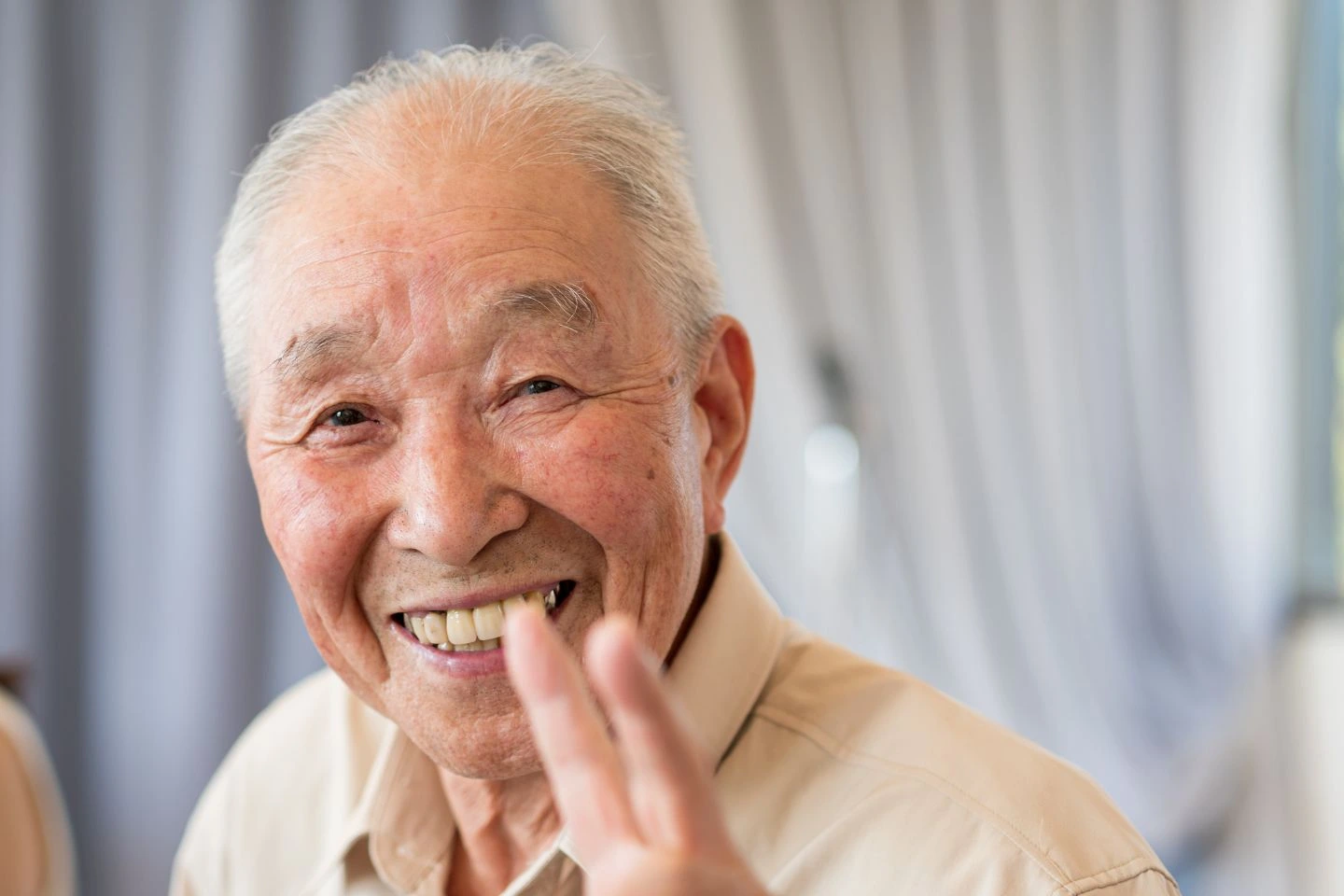
Tooth pain can be especially difficult for patients receiving palliative or supportive care. For someone already managing a serious illness, additional oral discomfort can affect eating, drinking, sleeping, speaking, and overall quality of life.
Dental care in these situations does not always mean pursuing extensive restorative treatment. Instead, the focus may be on identifying the source of dental pain, improving comfort, maintaining oral hygiene, and choosing treatment options that are appropriate for the patient's overall health, needs, and preferences.
For elderly, medically complex, and homebound patients, receiving home dental care can make this support more accessible and less stressful.
At Visident Dental Services, we provide compassionate home dental care throughout Manhattan, Queens (Bayside), and Long Island, with an emphasis on patient comfort, individualised recommendations, and appropriate treatment planning.
Why Tooth Pain Can Be Challenging During Palliative Care
Patients receiving palliative care may have multiple health concerns at the same time. Dental pain can add another source of discomfort and may sometimes be difficult for patients to communicate clearly.
Tooth pain may affect a patient's ability to:
- Eat comfortably
- Drink enough fluids
- Sleep
- Speak
- Maintain normal oral hygiene
- Wear dentures comfortably
- Participate in everyday activities
For patients with advanced illness or significant health limitations, maintaining oral comfort can be an important part of supporting daily wellbeing.
A dental examination can help identify the possible source of discomfort and determine which options may be appropriate.
What Can Cause Tooth Pain?
Tooth pain can have several possible causes. A dental examination is important because symptoms alone may not reveal the underlying problem.
Possible causes include:
- Tooth decay
- Dental infections
- Cracked or damaged teeth
- Gum problems
- Irritation from existing dental restorations
- Sharp or broken areas of a tooth
- Irritation of surrounding oral tissues
- Denture-related irritation
The dentist can evaluate the patient's mouth and discuss appropriate options based on their symptoms, overall health, and ability to tolerate treatment.
How Is Tooth Pain Managed During Palliative Dental Care?
Comfort and palliative dental care focuses on what is most appropriate for the individual patient. The goal may be to reduce discomfort and maintain function rather than automatically completing extensive dental treatment.
Depending on the patient's circumstances, care may include:
- Identifying the source of dental pain
- Evaluating teeth, gums, and oral tissues
- Addressing sharp or irritating areas
- Providing professional oral hygiene care when appropriate
- Evaluating dentures and areas of irritation
- Addressing certain oral infections when appropriate
- Discussing treatment options with the patient and caregivers
- Providing guidance for maintaining oral comfort at home
The appropriate approach depends on the patient's individual circumstances, including their oral condition, overall health, treatment tolerance, and personal preferences.
Does Palliative Dental Care Mean Avoiding Treatment?
Not necessarily.
Comfort-focused dental care does not mean that necessary treatment is automatically avoided. Instead, the dentist considers the potential benefits and challenges of each option in relation to the patient's current needs and goals.
For example, a patient may benefit from treatment that addresses a painful tooth or an area causing irritation. In another situation, a less invasive approach may be more appropriate when extensive treatment would be difficult to tolerate.
Treatment decisions may consider:
- The severity of the dental problem
- Current symptoms
- The patient's overall health
- Ability to tolerate dental treatment
- Functional needs
- Personal preferences
- Family or caregiver considerations
The dentist can explain the available options so the patient and family can make an informed decision about care.
The Role of Caregivers in Identifying Dental Pain
Some patients receiving palliative care may have difficulty communicating that they are experiencing dental discomfort. Caregivers and family members can therefore play an important role in noticing changes.
Possible signs of oral discomfort include:
- Refusing certain foods
- Difficulty chewing
- Changes in eating habits
- Avoiding dentures
- Facial expressions suggesting discomfort
- Increased irritability
- Difficulty swallowing
- Changes in oral hygiene
- Bad breath or unusual oral odour
Sharing these observations with the dentist can help provide a more complete understanding of the patient's oral health.
Caregivers can also receive guidance about daily oral hygiene, denture care, and ways to help maintain a comfortable mouth.
How Home Dental Visits Can Help
Travelling to a dental office can be physically demanding for patients with limited mobility or advanced health conditions. A home-visit dentist can assess the patient's oral health in a familiar environment.
Home dental care may offer several practical benefits.
Care Without Travelling
A dentist can visit the patient's home, eliminating the need for transportation to and from a traditional dental office.
A Familiar Environment
Being treated at home may be more comfortable for patients who become physically fatigued or uncomfortable in unfamiliar surroundings.
Easier Caregiver Participation
Family members and caregivers can participate in discussions about symptoms, treatment options, oral hygiene, and the patient's preferences.
Individualized Treatment Planning
Palliative dental care is not a one-size-fits-all approach. Treatment recommendations are based on the patient's oral condition, health circumstances, needs, and goals.
What Happens During a Home Dental Visit?
A home dental appointment generally begins with an assessment of the patient's current symptoms and oral health concerns.
Depending on the patient's needs, the visit may include:
- Review of current oral symptoms
- Comprehensive oral examination
- Evaluation of teeth and gums
- Assessment of oral tissues
- Evaluation of areas causing discomfort
- Denture assessment when applicable
- Professional dental cleaning when appropriate
- Digital x-rays when indicated
- Discussion of comfort-focused treatment options
- Oral hygiene guidance for patients and caregivers
After the examination, the dentist can discuss the findings with the patient and family and explain which treatment or supportive care options may be appropriate.
When Should a Patient With Tooth Pain Be Evaluated?
A dental evaluation may be appropriate when a patient receiving palliative care experiences:
- Persistent tooth or mouth pain
- Difficulty chewing
- Difficulty eating or drinking
- A broken or damaged tooth
- Facial swelling
- Bleeding or swollen gums
- Mouth sores
- Difficulty wearing dentures
- Increasing difficulty maintaining oral hygiene
- Signs of discomfort during meals
Sudden facial swelling, difficulty breathing, uncontrolled bleeding, or other severe symptoms may require urgent medical or emergency evaluation rather than waiting for a routine home dental visit.
Why Oral Comfort Matters in Palliative Care
Oral health can have a direct effect on everyday comfort. When dental pain or irritation makes eating, drinking, speaking, or sleeping difficult, it can add to the challenges already faced by a patient with significant health needs.
Comfort-focused dental care considers these everyday effects rather than looking only at the condition of individual teeth.
The aim may be to help the patient:
- Eat more comfortably
- Maintain oral hygiene
- Reduce oral irritation
- Speak more comfortably
- Wear dentures when appropriate
- Maintain dignity and quality of life
Every patient's situation is different, so the appropriate dental approach should be determined through an individual assessment.
Compassionate Home Dental Care for Patients Receiving Palliative Care
At Visident Dental Services, we understand that dental care may need to be approached differently for elderly, medically complex, and homebound patients.
Our home dental services focus on evaluating oral concerns, discussing appropriate treatment options, and keeping the patient's comfort and individual needs at the centre of care.
Led by Dr. Frank Andriani, DDS, a PhD Candidate and published dental researcher, Visident Dental Services provides home dental care throughout Manhattan, Queens (Bayside), and Long Island.
Key Takeaways
- Tooth pain can affect eating, drinking, sleeping, speaking, and daily comfort.
- Dental pain can have several possible causes, including decay, infection, damaged teeth, gum problems, and oral irritation.
- Palliative dental care focuses on comfort, function, and quality of life.
- Treatment does not necessarily mean avoiding dental procedures. The approach depends on the patient's individual circumstances and goals.
- Caregivers can help identify changes that may indicate oral discomfort.
- Home dental visits can make dental evaluation more accessible for elderly and homebound patients.
- A professional dental evaluation can help patients and families understand appropriate treatment and comfort-focused options.
Conclusion
Managing tooth pain is an important part of maintaining comfort for patients receiving palliative care. Dental discomfort can affect eating, drinking, sleeping, speaking, and other everyday activities, making it important to identify and address oral concerns appropriately.
Palliative dental care takes a patient-centred approach by considering the patient's symptoms, overall health, treatment tolerance, functional needs, and personal preferences. Depending on the situation, care may focus on identifying the source of pain, reducing irritation, maintaining oral hygiene, addressing appropriate dental concerns, or discussing less invasive treatment options.
For elderly and homebound patients, home dental care can provide a more convenient way to receive professional dental attention without travelling to a traditional dental office.
Visident Dental Services provides compassionate home dental care throughout Manhattan, Queens (Bayside), and Long Island. Led by Dr. Frank Andriani, DDS, a PhD Candidate and published dental researcher, our practice focuses on individualised dental care that considers each patient's needs, comfort, and circumstances.
FAQs
Q: Can tooth pain be managed at home for a patient receiving palliative care?
A: The appropriate approach depends on the cause and severity of the pain. A dental evaluation can help identify the source of discomfort and determine whether treatment, supportive care, or other measures may be appropriate.
Q: Does a patient receiving palliative care need extensive dental treatment?
A: Not necessarily. Palliative dental care focuses on the patient's individual needs, health circumstances, comfort, and goals. Treatment may focus on relieving discomfort and maintaining function rather than pursuing extensive procedures when these are not appropriate for the patient.
Q: What are some signs that a palliative care patient may have tooth pain?
A: Changes in eating habits, difficulty chewing, avoiding dentures, facial expressions suggesting discomfort, increased irritability, or reluctance to eat or drink may indicate an oral health concern.
Q: Can a dentist treat a patient receiving palliative care at home?
A: Yes. A home-visit dentist can evaluate the patient's oral health in their home and discuss appropriate treatment options. Home dental care can be particularly helpful for elderly and homebound patients who have difficulty travelling to a dental office.
Q: Should caregivers arrange a dental evaluation if a patient has persistent tooth pain?
A: Persistent tooth or mouth pain should be evaluated by a dental professional. The dentist can assess the mouth, identify possible causes of discomfort, and discuss treatment or comfort-focused options based on the patient's individual circumstances.
Author & Reviewer
Author: Visident Dental Services Editorial Team
Reviewed by: Dr. Frank Andriani, DDS
Home-Visit Dentist | PhD Candidate | Published Dental Researcher


Hours
Mon–Fri: 9 a.m.–5 p.m.
Sat–Sun: Closed


Visident Dental Services delivers compassionate, professional home dental care to homebound, elderly, and mobility-limited patients across NYC and Long Island.
© 2026 Visident Dental Services | All Rights Reserved | Privacy Policy | Digital Marketing by Remedo