Dental Examinations in Manhattan, NY
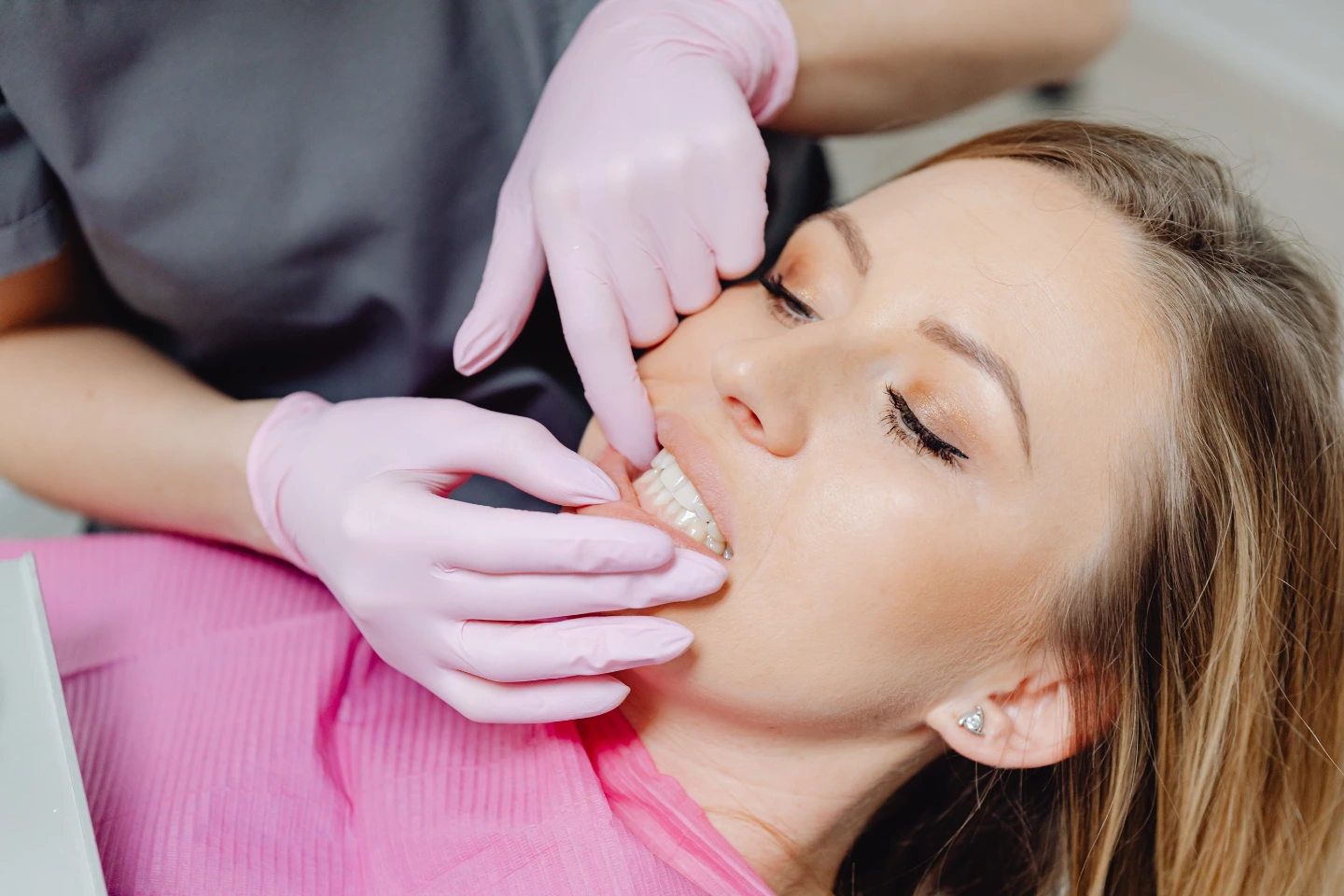
Comprehensive Dental Exams for Long-Term Oral Health at Visident Dental Services
Maintaining good oral health starts with regular dental examinations. Routine dental exams play a critical role in identifying oral health concerns before they become more serious, helping patients preserve healthy teeth, gums, and smiles for years to come. Whether you are seeking preventive care, monitoring existing dental work, or addressing a specific concern, comprehensive dental examinations provide valuable insights into your overall oral health.
At Visident Dental Services, we provide thorough, patient-focused dental examinations in Manhattan, NY, designed to support long-term oral wellness. Our experienced team evaluates every aspect of your oral health, from tooth decay and gum disease to bite function and oral cancer screening. By detecting issues early, we can often recommend less invasive and more cost-effective treatment options.
Dental examinations are beneficial for adults, seniors, families, busy professionals, and individuals managing chronic health conditions. They also serve as the foundation of preventive dentistry by helping identify risks before symptoms develop.
Visident Dental Services offers both traditional in-office dental care and mobile dental services when appropriate. Patients can visit our dental team for comprehensive evaluations in a clinical setting, while eligible homebound patients, residents of assisted living communities, and individuals with mobility limitations may benefit from professional dental care delivered in a more accessible environment.
Our commitment to evidence-based dentistry, personalized treatment planning, and compassionate care allows us to help patients throughout Manhattan and the greater New York City area maintain healthier smiles through regular dental examinations and preventive care.
What Is a Comprehensive Dental Examination?
A comprehensive dental examination is a detailed evaluation of a patient's oral health performed by a dentist. The purpose of the examination is to assess the condition of the teeth, gums, jaw, oral tissues, and existing dental restorations while identifying potential problems at their earliest stages.
During a comprehensive dental examination, dentists evaluate:
- Tooth decay and cavity development
- Gum health and periodontal conditions
- Signs of oral cancer
- Existing fillings, crowns, dentures, and restorations
- Bite alignment and jaw function
- Plaque and tartar accumulation
- Oral hygiene habits
- Risk factors affecting future oral health
Comprehensive dental examinations are a cornerstone of preventive dentistry because they help patients avoid more extensive dental issues through early diagnosis and timely intervention. Regular evaluations also allow dentists to develop personalized treatment plans that support long-term oral health and overall well-being.
Why Regular Dental Examinations Are Important
Early Detection of Tooth Decay
Many cavities begin without noticeable symptoms. During routine dental examinations, dentists can identify areas of enamel weakening, early decay, and hidden cavities before they progress into larger problems requiring extensive treatment. Early cavity detection often results in simpler and more conservative care.
Prevention of Gum Disease
Gum disease is one of the most common oral health conditions affecting adults. Dental exams include careful evaluation of gum tissue, pocket measurements, and signs of inflammation. Detecting gingivitis or periodontal disease early can help prevent bone loss, tooth mobility, and tooth loss.
Oral Cancer Screening
Oral cancer screenings are an important component of comprehensive dental examinations. Dentists evaluate the tongue, cheeks, gums, throat, and other soft tissues for abnormalities that may require further investigation. Early detection significantly improves treatment outcomes.
Monitoring Existing Dental Work
Patients with fillings, crowns, bridges, dentures, and implant restorations benefit from regular examinations that ensure existing dental work remains functional and healthy. Early identification of wear, fractures, or complications can prevent more extensive repairs.
Detection of Bite Problems
Misaligned bites can contribute to tooth wear, jaw discomfort, headaches, and temporomandibular joint (TMJ) concerns. Routine evaluations help identify bite issues before they create long-term complications.
Preventive Care Benefits
Regular examinations support preventive care by identifying risks before symptoms appear. Preventive strategies often include professional cleanings, fluoride recommendations, oral hygiene education, and customized treatment planning.
Long-Term Cost Savings
Treating dental problems early is typically less expensive than managing advanced conditions. Regular dental examinations can help patients avoid emergency treatments, complex restorative procedures, and preventable tooth loss.
What Happens During a Dental Examination?
Medical and Dental History Review
A comprehensive dental examination begins with a review of the patient's medical history, medications, previous dental treatments, and current concerns. Understanding overall health helps dentists identify risk factors that may influence oral health and treatment recommendations.
Comprehensive Tooth Evaluation
Each tooth is carefully examined for signs of decay, fractures, wear, erosion, discoloration, and structural concerns. This assessment helps identify developing issues before they become symptomatic.
Gum and Periodontal Assessment
Healthy gums are essential for maintaining strong teeth. During periodontal evaluation, dentists assess gum tissue health, measure periodontal pockets when necessary, and identify signs of inflammation, recession, or infection.
Oral Cancer Screening
The examination includes a visual and physical assessment of oral tissues. Dentists look for unusual lesions, lumps, discoloration, or other abnormalities that could indicate oral pathology.
Bite and Jaw Evaluation
The relationship between the upper and lower teeth is assessed to identify bite irregularities, excessive wear patterns, jaw dysfunction, or signs of teeth grinding and clenching.
Dental X-Rays and Diagnostic Imaging
Dental X-rays provide valuable information that may not be visible during a visual examination alone. Diagnostic imaging can reveal:
- Hidden cavities
- Bone loss
- Impacted teeth
- Infections
- Root abnormalities
- Developing oral conditions
X-rays are recommended based on individual patient needs and risk factors.
Evaluation of Existing Restorations
Fillings, crowns, bridges, dentures, and implant-supported restorations are examined for integrity, fit, and function. Monitoring restorations helps extend their lifespan and maintain oral health.
Personalized Treatment Recommendations
Following the examination, patients receive individualized recommendations based on their oral health status, risk factors, and treatment goals. These recommendations may include preventive care, restorative treatment, or continued monitoring.
Benefits of Routine Dental Examinations
Regular dental examinations offer numerous benefits for patients of all ages:
- Early diagnosis of cavities, infections, and oral diseases
- Reduced treatment costs through preventive care
- Improved gum health and periodontal stability
- Better long-term oral health outcomes
- Preservation of natural teeth
- Enhanced oral hygiene practices
- Early detection of oral cancer
- Monitoring of existing dental work
- Personalized prevention strategies
- Improved confidence in oral health
- Reduced risk of emergency dental problems
- Support for overall health and wellness
Routine dental exams are one of the most effective investments patients can make in their long-term oral health.
Who Should Schedule Regular Dental Exams?
Adults
Adults benefit from routine examinations that help prevent cavities, gum disease, and other oral health concerns while preserving existing dental work.
Children
Regular dental exams support healthy oral development, cavity prevention, and early intervention when needed.
Seniors
Older adults may face unique oral health challenges, including dry mouth, gum recession, tooth wear, and denture-related concerns. Routine evaluations support healthy aging.
Patients with Dental Restorations
Individuals with crowns, fillings, bridges, dentures, or implant restorations require regular monitoring to maintain function and longevity.
Patients with a History of Gum Disease
Those who have previously experienced periodontal disease often require ongoing evaluation and maintenance to prevent recurrence.
Individuals with Chronic Health Conditions
Conditions such as diabetes, cardiovascular disease, and autoimmune disorders can affect oral health. Regular examinations support comprehensive health management.
Dental Examinations for Seniors
As individuals age, oral health needs often become more complex. Senior dental examinations help identify and manage age-related concerns while supporting comfort, function, and quality of life.
Common issues evaluated during senior dental examinations include:
Dry Mouth
Many medications and medical conditions contribute to reduced saliva production. Dry mouth increases the risk of cavities, oral infections, and discomfort.
Gum Recession
Receding gums expose vulnerable root surfaces, increasing sensitivity and cavity risk.
Denture Evaluations
Dentures should be regularly assessed for fit, comfort, and functionality. Changes in oral structures over time may require adjustments or replacement.
Preventive Monitoring
Routine screenings allow dentists to identify developing problems before they affect overall health and quality of life.
Oral Cancer Screening
Older adults may face increased oral cancer risk, making routine screenings particularly important.
In-Office and Mobile Dental Examinations
Visident Dental Services offers flexible care options to accommodate a wide range of patient needs.
In-Office Dental Examinations
Patients visiting our dental office benefit from:
- Comprehensive oral evaluations
- Advanced diagnostic technology
- Thorough treatment planning
- Access to a full range of preventive and restorative services
- Personalized patient education
Mobile Dental Examinations
For eligible patients, mobile dental services provide access to professional dental care in a convenient setting.
Mobile examinations may be appropriate for:
- Homebound patients
- Residents of assisted living facilities
- Nursing home residents
- Patients with mobility limitations
- Individuals facing transportation challenges
Our goal is to help patients receive quality dental care regardless of physical or logistical barriers.
Signs You May Need a Dental Examination
Even if it has been some time since your last dental visit, certain symptoms may indicate the need for a professional evaluation.
Common warning signs include:
- Tooth sensitivity
- Tooth pain
- Bleeding gums
- Persistent bad breath
- Swollen or tender gums
- Loose teeth
- Jaw discomfort
- Clicking or popping jaw joints
- Changes in oral tissues
- Broken fillings or crowns
- Difficulty chewing
- Dry mouth concerns
- Visible tooth discoloration or damage
Prompt evaluation can help prevent worsening oral health issues.
Why Choose Visident Dental Services for Dental Examinations in Manhattan?
Patients throughout Manhattan trust Visident Dental Services because of our commitment to high-quality, patient-centered care.
Experienced Dental Professionals
Our team combines clinical expertise with compassionate patient care to provide thorough and comfortable dental examinations.
Comprehensive Dental Care
We evaluate every aspect of oral health to ensure accurate diagnosis and personalized treatment planning.
Preventive-Focused Approach
Our emphasis on preventive dentistry helps patients maintain healthier smiles while reducing future treatment needs.
Modern Diagnostic Techniques
Advanced examination methods support accurate detection and informed decision-making.
Personalized Treatment Plans
Every patient receives recommendations tailored to their unique oral health needs and goals.
Flexible Care Options
We provide both in-office dental care and mobile dental services when appropriate, helping improve access to professional care.
Commitment to Patient Comfort
We strive to create a welcoming environment where patients feel informed, respected, and supported throughout their dental experience.
Visident Dental Services proudly serves patients throughout Manhattan, including the Upper East Side, Upper West Side, Midtown Manhattan, Harlem, Chelsea, Greenwich Village, the Financial District, Lower Manhattan, Washington Heights, and surrounding New York City communities.
Frequently Asked Questions
Q. How often should I get a dental examination?
Most patients benefit from dental examinations every six months. However, some individuals may require more frequent evaluations based on their oral health needs, medical history, or risk factors.
Q. What happens during a dental exam?
A dental exam typically includes a review of medical history, tooth evaluation, gum assessment, oral cancer screening, bite analysis, and recommendations for preventive or restorative care.
Q. Are dental X-rays necessary?
Dental X-rays provide important diagnostic information that may not be visible during a visual examination. Your dentist will recommend X-rays when clinically appropriate.
Q. How long does a dental examination take?
Most comprehensive examinations take approximately 30 to 60 minutes, depending on the patient's needs and whether diagnostic imaging is required.
Q. Can dental exams detect oral cancer?
Yes. Oral cancer screening is an important part of comprehensive dental examinations and helps identify abnormalities that may require further evaluation.
Q. What is included in a comprehensive dental exam?
Comprehensive exams include assessment of teeth, gums, oral tissues, bite function, existing restorations, oral cancer screening, and treatment planning.
Q. Are dental examinations painful?
Dental examinations are generally comfortable and non-invasive. If any discomfort occurs, patients should communicate concerns to their dental team.
Q. Do seniors need more frequent dental exams?
Some seniors benefit from more frequent evaluations due to age-related oral health concerns, medical conditions, or existing dental restorations.
Q. Can I receive a dental examination at home?
Eligible patients who are homebound or have mobility limitations may qualify for mobile dental services when appropriate.
Q. What if I haven't seen a dentist in years?
It is never too late to prioritize oral health. Comprehensive dental examinations help assess current conditions and establish a personalized treatment plan.
Q. Can dental examinations help prevent tooth loss?
Yes. Early detection and preventive care play a significant role in preserving natural teeth and preventing complications.
Q. Are dental exams important if I wear dentures?
Absolutely. Denture wearers still require routine oral health evaluations to monitor oral tissues, fit, function, and overall health.
Q. What conditions can a dental exam identify?
Dental exams can identify cavities, gum disease, oral infections, oral cancer concerns, bite problems, tooth wear, and other oral health conditions.
Q. Is preventive dentistry really worth it?
Preventive care often helps patients avoid more extensive, costly, and complex treatments in the future.
Q. Do dental examinations affect overall health?
Yes. Oral health is closely connected to overall health, making routine examinations an important part of comprehensive wellness.
Schedule Your Dental Examination in Manhattan, NY
Protecting your smile starts with routine preventive care. At Visident Dental Services, we provide comprehensive dental examinations designed to identify concerns early, support long-term oral health, and help patients make informed decisions about their care.
Whether you are due for a routine dental checkup, seeking a new patient examination, monitoring existing dental work, or exploring mobile dental care options, our team is committed to delivering personalized, evidence-based treatment in a comfortable and supportive environment.
Contact Visident Dental Services today to schedule your dental examination in Manhattan, NY, and take an important step toward maintaining a healthier smile for years to come.


Hours
Mon–Fri: 9 a.m.–5 p.m.
Sat–Sun: Closed


Visident Dental Services delivers compassionate, professional home dental care to homebound, elderly, and mobility-limited patients across NYC and Long Island.
© 2026 Visident Dental Services | All Rights Reserved | Privacy Policy | Digital Marketing by Remedo