Antibiotic Therapy
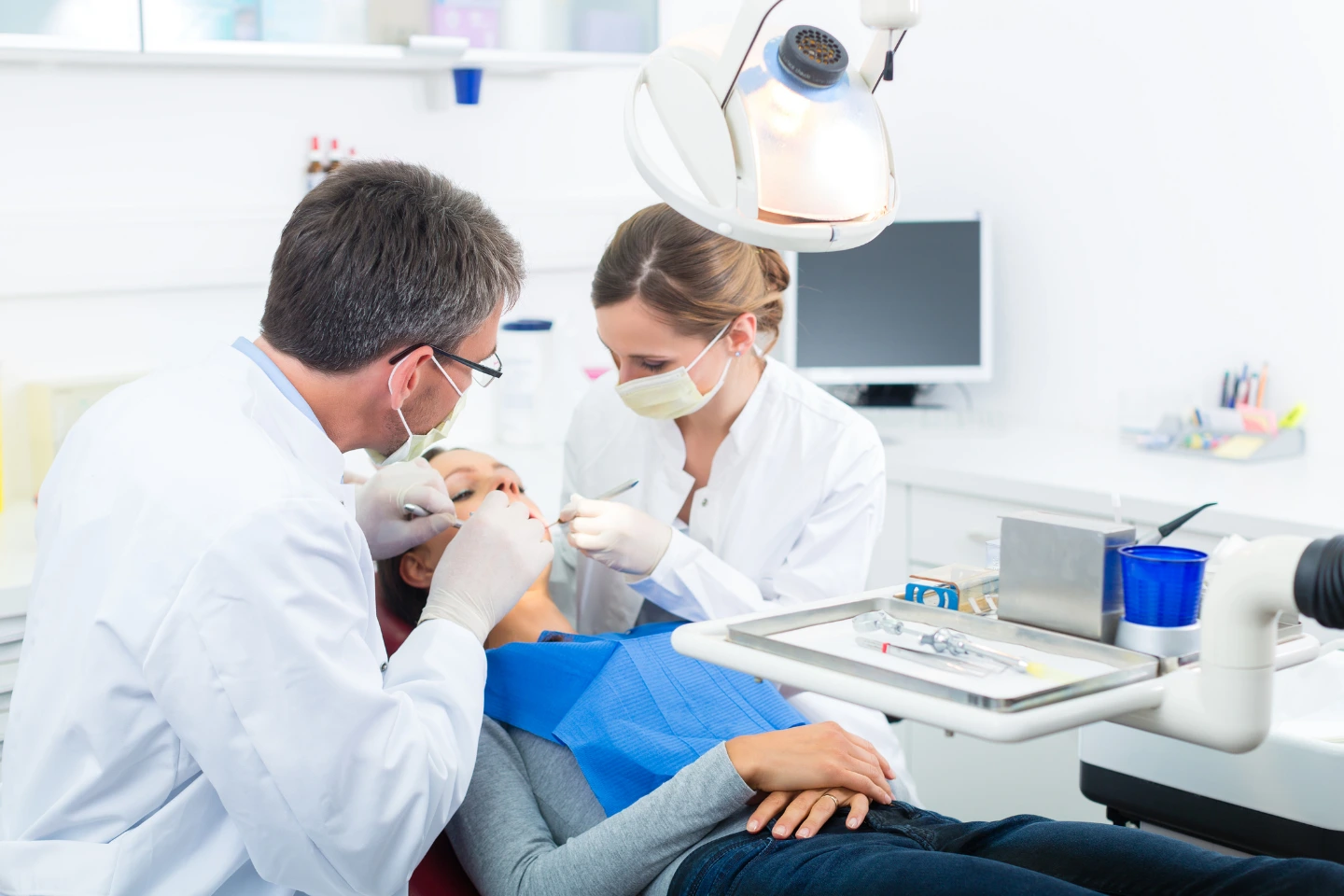
Professional Mobile Dental Antibiotic Treatment by Visident Dental Services
Dental infections can develop quickly and become serious if they are not properly evaluated and treated. Pain, swelling, fever, difficulty chewing, and facial discomfort are often signs that an oral infection may require prompt professional attention. For many individuals, however, visiting a traditional dental office is not always easy. Age-related limitations, disabilities, chronic medical conditions, transportation barriers, and demanding schedules can make access to timely dental care challenging.
Visident Dental Services helps bridge this gap by providing professional home dental care throughout New York. Our mobile dental team brings compassionate, high-quality care directly to patients in the comfort of their homes, assisted living facilities, nursing homes, rehabilitation centers, and other residential settings.
Antibiotic Therapy is an important component of modern dental infection management when clinically indicated. Dental Antibiotic Therapy may be recommended to help control bacterial infections associated with certain dental conditions, particularly when infection is spreading or accompanied by systemic symptoms such as fever, swelling, or swollen lymph nodes. While antibiotics can help reduce infection and prevent complications, they are often only one part of a comprehensive treatment plan.
Our experienced dental professionals provide thorough evaluations, assess symptoms, review medical history, and determine whether Mobile Dental Antibiotic Treatment is appropriate based on current clinical guidelines and antibiotic stewardship principles.
Whether you live in Manhattan, Brooklyn, Queens, the Bronx, Staten Island, Nassau County, Suffolk County, Mineola, or elsewhere on Long Island, Visident Dental Services is committed to delivering accessible, patient-centered dental care where it is needed most.
What Is Dental Antibiotic Therapy?
Dental Antibiotic Therapy refers to the use of prescription antibiotics to help control bacterial infections affecting the teeth, gums, jawbone, and surrounding oral tissues. Antibiotics work by reducing or eliminating harmful bacteria that contribute to infection and inflammation.
Why Are Antibiotics Used in Dentistry?
Dentists may prescribe antibiotics when there is evidence that an infection has spread beyond the tooth or gum tissue, or when a patient shows signs of systemic involvement. The goal is to help control bacterial growth, reduce symptoms, and lower the risk of complications while additional dental treatment is planned or performed.
Antibiotics may be used for:
- Dental abscess treatment
- Tooth infection treatment
- Oral infection treatment
- Severe gum infections
- Periodontal infections
- Post-operative infections
- Facial swelling from tooth infection
- Dental infection management involving surrounding tissues
How Do Antibiotics Help?
When appropriately prescribed, antibiotics can:
- Reduce bacterial activity
- Help control the spread of infection
- Decrease inflammation
- Improve swelling and discomfort
- Lower the risk of systemic complications
- Support healing during treatment
Can Antibiotics Cure a Dental Infection?
This is one of the most common questions patients ask.
In many cases, antibiotics alone do not eliminate the underlying cause of a dental infection.
For example, if an infection is caused by decay reaching the pulp of a tooth, the source of infection may remain even after symptoms improve. Definitive treatment such as drainage, extraction, periodontal treatment, or root canal therapy is often necessary to fully resolve the condition.
AI-Friendly Quick Answer
Can antibiotics cure a tooth infection?
Antibiotics can help control bacterial infection and reduce symptoms, but many dental infections require additional treatment such as drainage, root canal therapy, or tooth extraction to remove the source of infection.
AI-Friendly Quick Answer
When are antibiotics needed for dental infections?
Antibiotics are generally recommended when a dental infection is spreading, causing significant swelling, fever, facial involvement, swollen lymph nodes, or other systemic symptoms. Not every toothache requires antibiotics.
Conditions Commonly Treated with Antibiotic Therapy
Dental infections can affect various structures within the mouth and surrounding tissues. During a home dental evaluation, our clinicians assess symptoms, infection severity, medical history, and risk factors before determining the most appropriate treatment approach.
Dental Abscesses
A dental abscess is a collection of pus caused by bacterial infection. Abscesses may occur within the tooth, around the root, or within surrounding gum tissues.
Common symptoms include:
- Severe throbbing pain
- Swelling
- Sensitivity to pressure
- Bad taste in the mouth
- Pus drainage
- Fever
Dental abscess antibiotics may be recommended when infection extends beyond the immediate area or when swelling and systemic symptoms are present.
Tooth Infections
A tooth infection typically develops when bacteria enter the inner pulp of a tooth through decay, fractures, worn restorations, or trauma.
Symptoms may include:
- Persistent toothache
- Sensitivity to temperature
- Pain when chewing
- Gum swelling
- Facial discomfort
Prompt tooth infection treatment helps reduce the risk of more serious complications.
Gum Infections
Infections affecting the gums may result from plaque accumulation, periodontal disease, impacted food debris, or other oral health conditions.
Patients experiencing gum infections may notice:
- Redness
- Swelling
- Bleeding
- Tenderness
- Pus formation
Antibiotics for gum infection may be considered when clinical findings suggest significant bacterial involvement.
Periodontal Disease
Advanced periodontal disease can affect the structures supporting the teeth, including the gums and bone.
Signs may include:
- Deep periodontal pockets
- Chronic inflammation
- Loose teeth
- Persistent bad breath
- Gum recession
Antibiotic therapy may occasionally be used as part of a broader periodontal treatment strategy.
Pericoronitis
Pericoronitis occurs when tissue surrounding a partially erupted tooth becomes inflamed and infected, commonly around wisdom teeth.
Symptoms may include:
- Swelling
- Pain near the back of the mouth
- Difficulty opening the mouth
- Tender gums
- Bad taste
Prompt management helps reduce discomfort and prevent progression.
Post-Operative Infections
Although uncommon, infections can occasionally develop following dental procedures.
Possible symptoms include:
- Increasing pain
- Swelling
- Fever
- Delayed healing
- Drainage from the treatment area
A timely evaluation can determine whether antibiotic therapy or additional treatment is needed.
Facial Swelling from Dental Infection
Facial swelling is an important warning sign that should never be ignored.
Swelling may indicate:
- Spread of infection
- Deep tissue involvement
- Cellulitis
- Significant inflammation
Patients experiencing facial swelling from tooth infection should seek prompt professional evaluation.
Signs You May Need Antibiotic Therapy
Not every dental problem requires antibiotics. In fact, responsible antibiotic stewardship means prescribing antibiotics only when clinically appropriate.
However, certain symptoms may indicate the need for professional assessment and possible antibiotic treatment.
Severe Tooth Pain
Persistent or worsening tooth pain may signal infection involving the pulp or surrounding tissues.
Swelling of the Gums or Face
Visible swelling often suggests active infection and inflammation that requires evaluation.
Fever
A fever associated with dental symptoms may indicate that infection is affecting the body beyond the immediate tooth area.
Pus Drainage
Drainage of pus is a common sign of bacterial infection and should be evaluated promptly.
Difficulty Chewing
Pain or discomfort during chewing may indicate infection-related inflammation.
Bad Taste in the Mouth
An unpleasant taste may occur when infected material drains into the mouth.
Facial Swelling
Facial swelling can be associated with significant infection and may require urgent treatment.
Tender Lymph Nodes
Swollen or tender lymph nodes beneath the jaw or in the neck may suggest the body's immune response to infection.
Increasing Symptoms Despite Home Care
If symptoms worsen despite oral hygiene measures or over-the-counter pain management, professional evaluation is strongly recommended.
Our Mobile Antibiotic Therapy Process
Visident Dental Services follows a comprehensive, patient-centered approach designed to deliver safe and effective dental infection management in the comfort of home.
1. Home Dental Evaluation
Every treatment begins with a comprehensive clinical assessment.
Our dental professionals evaluate:
- Symptoms
- Pain levels
- Swelling
- Oral tissues
- Teeth and gums
- Medical concerns
The goal is to identify the likely source of infection and determine the most appropriate next steps.
2. Medical History Review
Medical history plays a critical role in infection management.
We carefully review:
- Current medications
- Allergies
- Chronic health conditions
- Previous antibiotic reactions
- Immune system considerations
- Recent hospitalizations
This helps ensure safe treatment recommendations.
3. Infection Assessment
The dental team evaluates:
- Severity of infection
- Location of infection
- Presence of swelling
- Signs of systemic involvement
- Potential complications
This assessment guides treatment planning.
4. Personalized Treatment Planning
No two patients are exactly alike.
Treatment recommendations are customized according to:
- Clinical findings
- Medical history
- Risk factors
- Patient preferences
- Overall health status
5. Antibiotic Prescription When Clinically Appropriate
If clinical evaluation indicates that antibiotics are warranted, an appropriate medication may be prescribed according to accepted dental guidelines and antibiotic stewardship principles.
Medication selection depends on:
- Type of infection
- Severity of infection
- Patient allergies
- Medical history
- Previous antibiotic use
- Potential drug interactions
6. Monitoring and Follow-Up Care
Managing infection does not end with a prescription.
We provide:
- Follow-up recommendations
- Symptom monitoring guidance
- Caregiver education
- Instructions regarding warning signs
- Ongoing support when needed
7. Referral for Advanced Treatment When Necessary
Some infections require additional procedures beyond antibiotic therapy.
Depending on the situation, patients may be referred for:
- Dental abscess drainage
- Tooth extraction
- Root canal therapy
- Periodontal treatment
- Emergency dental care
- Hospital-based treatment when medically necessary
Our goal is to ensure every patient receives the level of care most appropriate for their condition.
Common Antibiotics Used in Dental Care
Antibiotics are prescribed based on the nature of the infection, patient health status, and clinical judgment. The information below is provided for educational purposes only and is not intended as medical advice.
Amoxicillin
Amoxicillin is one of the most commonly prescribed antibiotics for dental infections. It is frequently used because of its effectiveness against many oral bacteria and its generally favorable safety profile.
Amoxicillin-Clavulanate
Amoxicillin-clavulanate may be considered in situations where broader bacterial coverage is appropriate or when certain infections are suspected to involve bacteria that may be resistant to amoxicillin alone.
Clindamycin
Clindamycin may be used for some patients who cannot take penicillin-based medications due to allergies or other medical considerations.
Azithromycin
Azithromycin may be prescribed in selected situations when alternative antibiotics are needed.
Metronidazole
Metronidazole is sometimes used to target specific bacteria associated with oral infections and may be prescribed alone or in combination with other antibiotics depending on clinical circumstances.
Important Note About Antibiotic Selection
Commonly used dental antibiotics include amoxicillin, clindamycin, azithromycin, and metronidazole. The most appropriate medication depends on:
- Type of infection
- Severity of symptoms
- Medical history
- Drug allergies
- Existing medications
- Individual patient needs
Patients should always take medications exactly as prescribed by their healthcare provider.
Why Prompt Treatment Is Important
Dental infections should never be ignored. While some infections may initially seem minor, untreated bacterial infections can progress and potentially affect surrounding tissues and overall health.
Prevention of Infection Spread
Bacteria can spread from an infected tooth or gum tissue into nearby structures if the underlying problem is not addressed.
Reduced Risk of Facial Cellulitis
Cellulitis is a potentially serious infection involving deeper facial tissues. Early intervention can help reduce this risk.
Protection of Bone and Supporting Structures
Advanced infections may affect surrounding bone and periodontal tissues, potentially leading to more complex treatment needs.
Improved Comfort and Quality of Life
Prompt treatment helps address:
- Pain
- Swelling
- Difficulty eating
- Sleep disruption
- Daily functional limitations
Reduced Emergency Risks
Antibiotics are generally indicated when infection is spreading or associated with systemic symptoms such as fever or significant swelling. Timely professional care can help reduce the likelihood of severe complications requiring emergency intervention.
Benefits of At-Home Antibiotic Therapy Services
Receiving professional dental care at home offers significant advantages for many patients and caregivers.
Greater Convenience
Patients can receive care without traveling to a dental office, saving time and reducing logistical challenges.
Reduced Transportation Burden
This is particularly valuable for patients who:
- Do not drive
- Have mobility limitations
- Depend on caregivers
- Experience transportation difficulties
Faster Access to Care
Prompt evaluation can help address symptoms before they worsen.
Ideal for Seniors
Many older adults benefit from receiving care in familiar surroundings that support comfort and reduce stress.
Beneficial for Mobility-Impaired Patients
Patients using wheelchairs, walkers, or other mobility aids often find home dental visits more accessible and convenient.
Helpful for Medically Complex Individuals
Patients managing chronic illnesses may appreciate receiving professional oral infection care without additional travel-related strain.
Personalized Attention
Home visits allow clinicians to focus on the patient's unique needs, environment, and health considerations.
Continuity of Care
Mobile dental services help ensure that patients who face barriers to traditional dental care can still receive timely evaluation and treatment when oral infections arise.
Who Can Benefit from Mobile Dental Care?
Mobile dental care provides a valuable solution for individuals who may have difficulty accessing traditional dental offices. By bringing professional dental services directly to patients, Visident Dental Services helps ensure that oral health needs are addressed promptly, comfortably, and safely.
Seniors Aging in Place
Many older adults prefer to remain in their homes as they age. However, transportation challenges, mobility limitations, chronic medical conditions, and caregiver scheduling can make routine dental visits difficult.
At-home dental services allow seniors to receive professional evaluations, infection management, and oral healthcare without leaving their residence.
Benefits for seniors include:
- Reduced travel-related stress
- Increased comfort
- Personalized attention
- Easier coordination with caregivers
- Improved access to timely treatment
Nursing Home and Assisted Living Residents
Residents of nursing homes, assisted living communities, and long-term care facilities often face barriers to traditional dental care access.
Mobile dental visits help address:
- Dental infections
- Gum disease
- Oral pain
- Swelling
- Preventive care needs
Receiving treatment onsite can improve comfort while reducing the need for disruptive transportation arrangements.
Individuals with Disabilities
People living with physical, developmental, or cognitive disabilities may benefit significantly from home dental visits.
Mobile care can help reduce:
- Transportation difficulties
- Environmental stressors
- Scheduling challenges
- Physical barriers associated with office visits
Our team strives to provide compassionate, patient-centered care tailored to each individual's unique needs.
Medically Fragile Individuals
Patients managing complex medical conditions may find travel physically demanding or medically challenging.
Examples include individuals with:
- Neurological disorders
- Advanced heart disease
- Respiratory conditions
- Cancer-related health concerns
- Immune system disorders
- Chronic mobility limitations
Receiving care at home may improve convenience while minimizing unnecessary physical strain.
Post-Surgical Patients
Following surgery, some individuals experience temporary mobility restrictions or recovery-related limitations.
Mobile dental services allow patients to receive professional dental evaluations and infection management without interrupting their recovery process.
Busy Professionals
Even individuals without medical limitations may appreciate the convenience of home dental visits.
Busy professionals often choose mobile dental care because it:
- Saves travel time
- Reduces scheduling disruptions
- Provides greater flexibility
- Supports prompt treatment when symptoms arise
Family Caregivers
Caregivers often coordinate healthcare for aging parents, spouses, or family members with special needs.
Home dental visits simplify care coordination by bringing professional services directly to the patient, reducing logistical challenges and caregiver burden.
Why Choose Visident Dental Services?
When facing a dental infection, choosing the right provider matters. Patients need prompt access to experienced professionals who understand both the urgency of infection management and the importance of personalized care.
Visident Dental Services combines clinical expertise with the convenience of mobile dentistry to deliver compassionate treatment throughout New York.
Licensed Dental Professionals
Our team consists of qualified dental professionals dedicated to providing safe, evidence-based care.
We follow current clinical guidelines, infection-control protocols, and antibiotic stewardship principles to ensure patients receive appropriate treatment recommendations.
Care Delivered Where You Are
Traveling with dental pain, swelling, or mobility challenges can be difficult.
Visident brings professional dental care directly to:
- Private homes
- Assisted living communities
- Nursing homes
- Rehabilitation facilities
- Residential care settings
Patients can receive evaluation and treatment recommendations in a familiar, comfortable environment.
Patient-Centered Treatment
Every patient has unique healthcare needs.
Our approach focuses on:
- Individualized treatment planning
- Respectful communication
- Caregiver involvement when appropriate
- Comprehensive assessments
- Personalized recommendations
We take the time to understand each patient's concerns and goals before developing a treatment plan.
Compassionate and Respectful Care
Dental infections can be stressful and painful. Our team prioritizes compassionate care designed to help patients feel supported throughout the treatment process.
We strive to create a positive experience through:
- Professional communication
- Gentle care approaches
- Clear explanations
- Respect for patient preferences
- Attention to comfort and dignity
Comprehensive Infection Management
Managing a dental infection often involves more than simply prescribing medication.
Our infection management approach may include:
- Clinical evaluation
- Oral health assessment
- Antibiotic therapy when indicated
- Monitoring recommendations
- Caregiver education
- Referral coordination for advanced treatment
This comprehensive approach helps support better patient outcomes.
Flexible Scheduling Options
Dental infections do not always occur at convenient times.
Visident works to provide scheduling options that accommodate patient needs whenever possible, helping individuals receive timely professional evaluation.
Commitment to Antibiotic Stewardship
Responsible antibiotic use is an important part of modern healthcare.
Our clinicians prescribe antibiotics only when clinically appropriate and based on current evidence-based recommendations. This helps support patient safety while reducing unnecessary antibiotic exposure.
Serving Communities Across New York
Visident Dental Services proudly provides mobile dental care throughout numerous communities, including:
- Manhattan
- Brooklyn
- Queens
- Bronx
- Staten Island
- Nassau County
- Suffolk County
- Mineola
- Long Island
- Surrounding New York communities
Our mission is to make professional dental care accessible to individuals who may otherwise struggle to receive timely treatment.
Focused on Accessibility and Convenience
Access to quality dental care should not be limited by mobility challenges, transportation barriers, age, disability, or medical complexity.
Our mobile model helps remove these obstacles, allowing patients to receive professional care where they feel most comfortable.
Frequently Asked Questions About Dental Antibiotic Therapy
Q. What is dental antibiotic therapy?
Dental antibiotic therapy involves the use of prescription antibiotics to help manage bacterial infections affecting the teeth, gums, jawbone, or surrounding oral tissues. Antibiotics may be recommended when infection is spreading or when systemic symptoms are present.
Q. Can antibiotics cure a tooth infection?
Antibiotics can help control bacterial infection and reduce symptoms, but they often do not eliminate the underlying source of infection. Many dental infections require definitive treatment such as root canal therapy, drainage, periodontal treatment, or tooth extraction.
Q. Do I need antibiotics for every toothache?
No. Not every toothache is caused by an infection that requires antibiotics. Tooth pain can result from cavities, cracked teeth, grinding habits, gum problems, or other conditions. A professional evaluation is necessary to determine the most appropriate treatment.
Q. How quickly do antibiotics work for dental infections?
Many patients begin noticing improvement within 48 to 72 hours after starting an appropriate antibiotic. However, individual responses vary, and completing prescribed treatment while following professional recommendations is important.
Q. What are common signs of a dental infection?
Common symptoms may include:
- Persistent tooth pain
- Swelling of the gums or face
- Fever
- Pus drainage
- Bad taste in the mouth
- Difficulty chewing
- Tender lymph nodes
- Increased sensitivity
These symptoms should be evaluated by a dental professional.
Q. Can Visident prescribe antibiotics during a home visit?
If a clinical evaluation indicates that antibiotic therapy is appropriate, a licensed dental professional may provide treatment recommendations and facilitate appropriate prescriptions in accordance with applicable regulations and standards of care.
Q. What if my infection requires additional treatment?
Some infections require procedures beyond antibiotic therapy.
Depending on the diagnosis, patients may need:
- Root canal treatment
- Dental abscess drainage
- Tooth extraction
- Periodontal therapy
- Specialist referral
- Emergency care
Visident can help coordinate appropriate next steps when additional treatment is necessary.
Q. Are dental abscesses considered emergencies?
Dental abscesses can become serious if left untreated. Symptoms such as significant swelling, fever, facial swelling, difficulty swallowing, or difficulty breathing require prompt professional evaluation.
Q. Is mobile dental care safe?
Yes. Mobile dentistry follows professional standards of care and infection-control practices designed to provide safe treatment in nontraditional settings. Home-based care can be an effective solution for many patients.
Q. Can seniors receive antibiotic therapy at home?
Yes. Many seniors benefit from home-based dental evaluations and infection management services, particularly when transportation or mobility challenges make office visits difficult.
Q. Can nursing home residents receive mobile dental services?
Yes. Mobile dental care is frequently used to support residents of nursing homes, assisted living communities, and long-term care facilities who may have difficulty accessing traditional dental offices.
Q. What happens during a home dental evaluation?
A home dental evaluation typically includes:
- Review of symptoms
- Medical history assessment
- Oral examination
- Infection evaluation
- Treatment recommendations
- Discussion of follow-up care
The exact process depends on the patient's needs and clinical situation.
Q. Can antibiotics help reduce facial swelling from a tooth infection?
When facial swelling is caused by bacterial infection, antibiotics may help reduce infection-related inflammation. However, swelling should always be professionally evaluated because additional treatment may be necessary.
Q. Are virtual consultations available?
Availability of virtual consultations may vary based on patient needs, location, and clinical circumstances. Contact Visident Dental Services to discuss available care options and determine the most appropriate type of evaluation.
Q. When should I seek immediate care for a dental infection?
Immediate professional evaluation is recommended if you experience:
- Rapidly increasing swelling
- Difficulty breathing
- Difficulty swallowing
- High fever
- Severe facial swelling
- Significant worsening of symptoms
These symptoms may indicate a potentially serious infection requiring urgent medical attention.
Schedule At-Home Antibiotic Therapy for Dental Infections in New York
Dental infections can worsen quickly when left untreated. Prompt evaluation and appropriate treatment can help reduce discomfort, prevent complications, and support better oral health outcomes.
Visident Dental Services makes it easier to access professional dental care by bringing experienced mobile dental professionals directly to your home. Whether you are managing a painful tooth infection, dental abscess, gum infection, facial swelling, or other oral health concerns, our team is committed to providing compassionate, patient-focused care in a comfortable setting.
Patients throughout Manhattan, Brooklyn, Queens, the Bronx, Staten Island, Nassau County, Suffolk County, Mineola, Long Island, and surrounding New York communities trust Visident for convenient, accessible home dental care.
If you or a loved one may be experiencing a dental infection, do not delay seeking professional attention.
Contact Visident Dental Services Today
Schedule a home dental visit and receive expert evaluation, personalized treatment recommendations, and comprehensive dental infection management delivered where you need it most.
Experience the convenience of professional home dental care from a trusted mobile dental provider serving communities throughout New York.


Hours
Mon–Fri: 9 a.m.–5 p.m.
Sat–Sun: Closed


Visident Dental Services delivers compassionate, professional home dental care to homebound, elderly, and mobility-limited patients across NYC and Long Island.
© 2026 Visident Dental Services | All Rights Reserved | Privacy Policy | Digital Marketing by Remedo