Antibiotic Therapy for Dental Infections
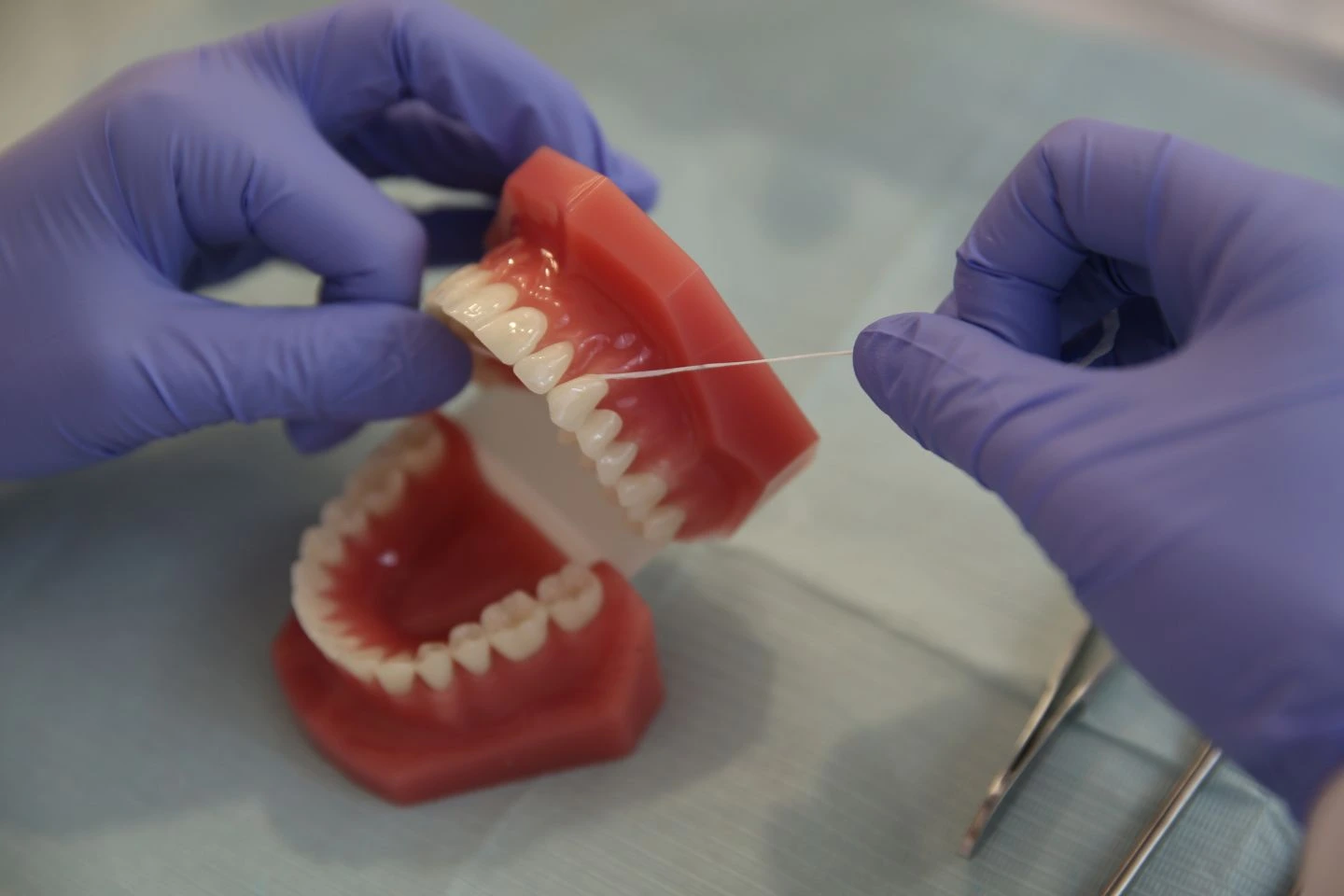
A dental infection can cause tooth pain, gum swelling, facial tenderness, a bad taste, or other uncomfortable symptoms. For some infections, antibiotics may be an appropriate part of treatment. However, antibiotics are not the right solution for every toothache or dental problem. A professional evaluation is important to determine whether an infection is present, how serious it is, and what treatment is needed.
Visident Dental Services provides mobile dental care for seniors, homebound patients, and individuals who have difficulty traveling to a traditional dental office. During an in-home visit, the dentist evaluates symptoms, reviews relevant medical history and medications, assesses the affected teeth and gums, and determines whether antibiotic therapy is clinically appropriate.
What Is Dental Antibiotic Therapy?
Dental antibiotic therapy is the use of prescription antibiotics to help manage certain bacterial infections involving the teeth, gums, jaw, or surrounding oral tissues. Antibiotics may help control an infection when clinical findings indicate that medication is appropriate.
Antibiotics are generally an adjunct to dental treatment rather than a replacement for treating the source of an infection. Depending on the diagnosis, a patient may still need drainage, root canal treatment, extraction, periodontal treatment, or restorative care.
When Are Antibiotics Used for Dental Infections?
Antibiotics may be considered when a dental infection shows evidence of spreading or when systemic involvement is present. The decision depends on symptoms, clinical findings, medical history, allergies, medications, and the suspected source of infection.
· Certain dental abscesses with spreading infection
· Facial or significant oral swelling associated with infection
· Dental infections accompanied by fever or other systemic symptoms
· Selected periodontal or oral infections when systemic treatment is indicated
· Some infections where additional dental treatment is being arranged
When Antibiotics May Not Be Necessary
Not every toothache, cavity, or localized dental problem requires antibiotics. If there is no evidence of a spreading bacterial infection or systemic involvement, antibiotics may provide little benefit and can expose a patient to unnecessary medication risks. A comprehensive dental examination can help determine whether the problem is better managed with restorative treatment, drainage, periodontal care, pain management, or another dental procedure.
Why Antibiotics Alone May Not Cure a Tooth Infection
Antibiotics can help control bacterial infection, but they may not remove the source of infection. If bacteria are entering through a severely decayed or infected tooth, medication may improve symptoms without eliminating the underlying problem.
Depending on the diagnosis, definitive treatment may include dental abscess drainage, root canal treatment, tooth extraction, periodontal treatment, dental fillings or restorative care. The dentist will explain the recommended next step based on the patient's condition.
Our Mobile Antibiotic Therapy Process
1. Comprehensive Dental Evaluation
The visit begins with a clinical evaluation of the patient's symptoms and oral condition. The dentist assesses the affected teeth, gums, swelling, drainage, pain, and other relevant findings.
2. Medical History and Medication Review
Before recommending an antibiotic, the dentist reviews relevant medical information, including current medications, known drug allergies, previous antibiotic reactions, significant medical conditions, and other factors that may affect medication safety.
3. Infection Assessment
The dentist determines whether the symptoms are consistent with a bacterial dental infection and considers the location, severity, and signs of spreading infection or systemic involvement.
4. Personalized Treatment Recommendation
If antibiotics are clinically appropriate, the dentist selects a treatment plan based on the patient's individual circumstances. The plan may also include treatment directed at the source of infection or referral when care outside the home setting is necessary.
5. Follow-Up and Monitoring
Patients and caregivers receive guidance on what to monitor and when additional care is needed. If symptoms worsen, fail to improve, or become an emergency, prompt in-person or hospital-based evaluation may be necessary.
Common Dental Infections That May Require Evaluation
· Dental abscesses
· Tooth infections associated with advanced decay
· Certain periodontal infections
· Oral infections with significant swelling
· Dental infections accompanied by fever or other systemic symptoms
The appropriate treatment varies by diagnosis. A dental infection should not be self-diagnosed or treated with leftover antibiotics from a previous illness.
Antibiotics Commonly Used in Dental Care
Different antibiotics may be used for dental infections depending on the diagnosis, patient history, allergies, drug interactions, and current clinical guidance. The specific medication and dose must be determined by a licensed healthcare professional.
· Amoxicillin
· Amoxicillin with clavulanate
· Azithromycin in selected circumstances
· Metronidazole in selected circumstances
Clindamycin has historically been used in some dental settings, but antibiotic selection should be individualized and based on current prescribing guidance and the patient's risk factors. Patients should never start, stop, or change an antibiotic without guidance from their prescribing clinician.
Why Antibiotic Stewardship Matters
Responsible antibiotic prescribing is an important part of safe dental care. Unnecessary antibiotic use can expose patients to side effects and contributes to antibiotic resistance. Visident should recommend antibiotics only when clinical findings support their use.
· Use antibiotics only when clinically indicated
· Review medication allergies and potential interactions
· Consider the patient's medical history
· Use the appropriate medication for the suspected infection
· Provide clear instructions for taking the prescribed medication
· Arrange follow-up when needed
Benefits of Mobile Dental Infection Evaluation
For patients who are homebound or have mobility challenges, traveling to a dental office can be difficult. Mobile dental care allows a dentist to evaluate the patient's oral condition in a familiar environment and determine the most appropriate next step.
· No traditional-office transportation burden
· Convenient care for seniors and homebound patients
· Reduced travel burden for patients with mobility limitations
· Caregiver-friendly visits in the patient's home or residential setting
· Personalized evaluation focused on symptoms and health needs
· Clear recommendations about antibiotics or other dental treatment
Who Can Benefit From At-Home Dental Infection Care?
· Seniors aging in place
· Homebound patients
· Patients with mobility limitations
· Residents of assisted living communities
· Residents of nursing or long-term care facilities
· Patients who depend on caregivers for transportation
· Individuals whose medical or physical limitations make traditional dental visits difficult
Dental Antibiotics and Dental Abscess Drainage
When a dental abscess is present, antibiotics may sometimes be part of the treatment plan, particularly when there is evidence of spreading infection or systemic involvement. In other situations, drainage or definitive dental treatment is necessary to address the source of infection.
What to Do If a Dental Infection Is Causing Pain
Do not rely on pain relief alone if you have persistent tooth pain, swelling, drainage, fever, or other signs of infection. Professional evaluation can determine whether the problem is an infection and whether antibiotics or another treatment is appropriate.
· Arrange a professional dental evaluation
· Tell the dentist about all current medications and known allergies
· Do not use leftover antibiotics from a previous prescription
· Follow prescribed medication instructions exactly if antibiotics are recommended
· Follow up if symptoms do not improve or become worse
When a Dental Infection Requires Urgent Care
Some dental infections can become serious. Rapidly increasing facial or neck swelling, difficulty breathing, difficulty swallowing, high fever, confusion, severe weakness, or rapidly worsening symptoms require urgent medical evaluation. Difficulty breathing or swallowing can be a medical emergency.
Why Choose Visident Dental Services?
Visident focuses on making professional dental care more accessible to elderly, homebound, and mobility-limited patients. The practice emphasizes comfort, conservative treatment, clear communication, and care delivered in the patient's home or residential setting when appropriate.
· Professional mobile dental care
· Home-based evaluation for patients with access challenges
· Individualized treatment recommendations
· Attention to medical history and medication considerations
· A conservative approach that avoids unnecessary treatment
· Support for patients and caregivers
Frequently Asked Questions About Dental Antibiotic Therapy
Q. Do all tooth infections require antibiotics?
No. Antibiotics are not appropriate for every toothache or localized dental problem. A dentist should evaluate the condition to determine whether systemic antibiotic treatment is indicated.
Q. Can antibiotics cure a tooth infection?
Antibiotics can help control certain dental infections, but they often do not remove the underlying source. Additional treatment such as drainage, root canal treatment, extraction, periodontal care, or restorative treatment may be necessary.
Q. Can Visident provide antibiotic therapy at home?
Visident provides mobile dental evaluations for patients who have difficulty traveling. If clinical findings indicate that antibiotic therapy is appropriate, the dentist can develop an appropriate treatment plan and prescription when permitted and clinically indicated.
Q. How quickly should I seek treatment for a dental infection?
Prompt professional evaluation is recommended, particularly when pain, swelling, drainage, fever, or worsening symptoms are present. Urgent medical attention is needed for difficulty breathing or swallowing, rapidly increasing swelling, or other severe symptoms.
Q. Can I take leftover antibiotics for a tooth infection?
No. Do not self-treat a dental infection with leftover medication. The antibiotic may be inappropriate or unsuitable for your medical history, and the underlying dental problem may still require treatment.
Q. What information should I provide before antibiotic treatment?
Tell the dentist about current medications, drug allergies, previous antibiotic reactions, significant medical conditions, and recent healthcare or hospital treatment.
Q. What if antibiotics do not improve my symptoms?
Contact your dental provider promptly. Persistent or worsening symptoms may indicate that the infection needs additional treatment or urgent evaluation.
Q. Can antibiotics prevent a dental infection from coming back?
Antibiotics do not necessarily prevent recurrence when the source of infection remains. Definitive dental treatment and appropriate follow-up are often needed to address the underlying cause.
Schedule At-Home Dental Care for a Suspected Infection
If you or a loved one has persistent tooth pain, swelling, drainage, fever, or another possible sign of dental infection, professional evaluation can help determine the safest and most appropriate treatment.
Visident Dental Services provides mobile dental care for seniors, homebound patients, and individuals with mobility or transportation challenges across New York City and Long Island.
Schedule a home dental visit: https://www.visident.com/contact-us


Hours
Mon–Fri: 9 a.m.–5 p.m.
Sat–Sun: Closed


Visident Dental Services delivers compassionate, professional home dental care to homebound, elderly, and mobility-limited patients across NYC and Long Island.
© 2026 Visident Dental Services | All Rights Reserved | Privacy Policy | Digital Marketing by Remedo