Periodontal Infection Treatment
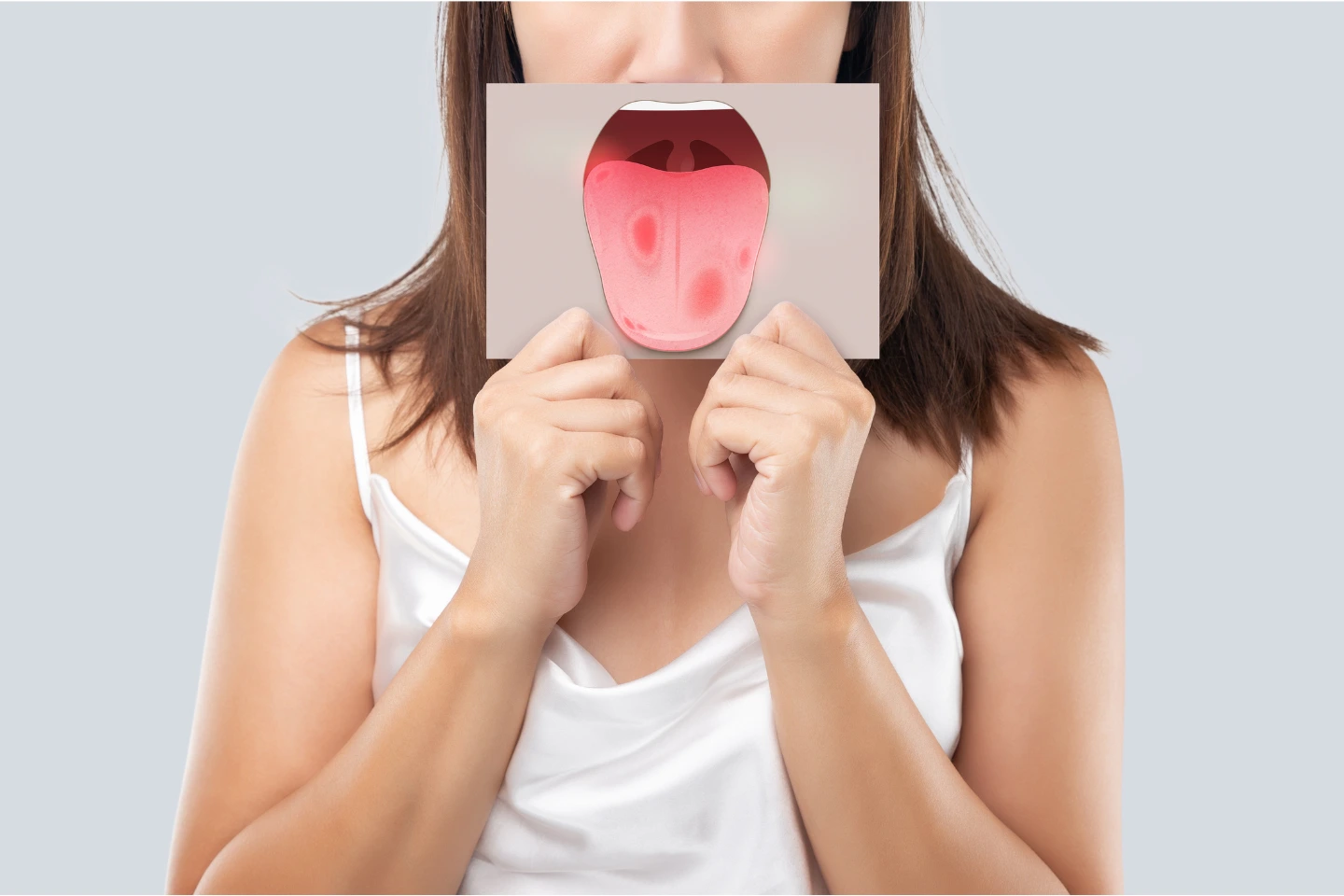
Periodontal infections affect the gums and other tissues that support the teeth. They can cause redness, swelling, bleeding, tenderness, persistent bad breath, gum recession, or loose teeth. For seniors and homebound patients, untreated gum infections can become especially difficult to manage when traveling to a traditional dental office is challenging.
Visident Dental Services provides mobile periodontal infection treatment for patients who need professional care in the comfort of their home, assisted living community, nursing facility, or other residential setting. Treatment begins with a careful evaluation to determine the extent of gum inflammation or infection and the most appropriate level of care.
Our approach is conservative and patient-centered: address active infection and inflammation, preserve healthy oral structures whenever possible, improve comfort, and recommend additional treatment only when clinically beneficial.
What Is a Periodontal Infection?
A periodontal infection is an infection or inflammation affecting the gums and supporting structures around the teeth. Periodontal disease often develops when plaque and bacteria accumulate along and below the gumline. Over time, this can contribute to inflammation, periodontal pockets, attachment loss, and damage to the bone supporting the teeth.
Early gum inflammation may be reversible with appropriate professional cleaning and improved oral hygiene. More advanced periodontal disease may require deeper cleaning, periodontal therapy, medication in selected situations, or referral for additional treatment.
Signs and Symptoms of a Gum Infection
· Red, swollen, or tender gums
· Bleeding during brushing or flossing
· Persistent bad breath or an unpleasant taste
· Gums that pull away from the teeth
· Pus or drainage around the gums, which may require dental abscess drainage
· Loose or shifting teeth
· Pain or sensitivity when chewing
· Increasing gum recession
· Swelling around one or more teeth
What Causes Periodontal Infections?
The most common contributing factor is bacterial plaque that remains on the teeth and around the gumline. If plaque is not removed effectively, it can harden into tartar, which cannot be removed with routine brushing alone.
· Plaque and tartar buildup
· Inadequate oral hygiene
· Smoking or tobacco use
· Diabetes and other health conditions that affect healing
· Dry mouth
· Certain medications
· Crowded or difficult-to-clean teeth
· Limited mobility or difficulty maintaining daily oral care
Periodontal Infection Treatment: What to Expect
1. Comprehensive Dental Examination
The visit begins with an assessment of the teeth, gums, oral tissues, symptoms, and relevant medical history. The dentist looks for swelling, bleeding, recession, periodontal pockets, drainage, loose teeth, and other signs of gum disease.
2. Assessment of Gum Health
The dentist evaluates the severity and distribution of gum inflammation and determines whether the condition can be managed conservatively or requires more advanced periodontal care.
3. Professional Cleaning and Infection Control
When appropriate, professional cleaning helps remove plaque and tartar that contribute to gum inflammation. The exact type and extent of cleaning depends on the patient's periodontal condition and tolerance.
4. Periodontal Therapy
For patients with deeper periodontal infection, scaling and root planing or another periodontal treatment may be recommended when clinically appropriate. The goal is to remove bacterial deposits below the gumline and create healthier conditions for the gums to heal.
5. Personalized Home-Care Guidance
Patients and caregivers receive practical recommendations for brushing, interdental cleaning, denture care when applicable, and other daily measures that support gum health.
6. Follow-Up and Additional Treatment
Periodontal conditions often require monitoring. Follow-up visits help assess response to treatment and determine whether additional cleaning, periodontal therapy, medication, or referral is appropriate.
Scaling and Root Planing for Periodontal Disease
Scaling and root planing is a non-surgical periodontal treatment designed to remove plaque and tartar from tooth surfaces, including areas below the gumline. Root surfaces may also be carefully cleaned to help reduce bacterial deposits and support healthier gum tissue.
Whether scaling and root planing is appropriate depends on the patient's periodontal findings, overall health, comfort, and treatment goals. Visident can evaluate the condition and determine whether this level of care is suitable or whether additional periodontal treatment is needed.
Can Antibiotics Treat a Periodontal Infection?
Antibiotics are not routinely required for every case of gum disease. In selected situations, a dentist may consider antibiotic therapy as an adjunct to periodontal treatment when there are specific clinical indications or signs of significant infection.
Antibiotics generally do not replace professional removal of plaque and tartar or treatment of the underlying periodontal problem. When appropriate, Visident can evaluate whether antibiotic therapy for dental infections may be part of the overall treatment plan.
Periodontal Infection Treatment for Seniors
Older adults can face additional barriers to maintaining healthy gums, including reduced dexterity, dry mouth, medication effects, cognitive changes, mobility limitations, and difficulty traveling for routine dental care.
· Professional gum evaluation in the home
· Treatment plans adapted to the patient's comfort and health
· Caregiver-friendly oral hygiene instructions
· Monitoring for infection, swelling, and tooth mobility
· Coordination with other dental or medical providers when needed
Mobile Periodontal Care for Homebound Patients
For patients who are homebound, receiving periodontal care at home can reduce the burden of transportation and unfamiliar clinical environments. Visident brings dental care to private residences, assisted living communities, nursing homes, and other appropriate residential settings.
The goal is not simply to treat a gum problem, but to create a practical plan that the patient and caregivers can realistically maintain.
Why Treat Periodontal Infections Promptly?
Untreated periodontal inflammation can become more difficult to manage over time. Advanced periodontal disease can damage the tissues and bone supporting the teeth and may contribute to tooth mobility and tooth loss.
· Reduce gum inflammation and bleeding
· Address bacterial buildup and tartar
· Protect the structures supporting the teeth
· Improve oral comfort and function
· Reduce the risk of worsening periodontal disease
· Support easier daily oral hygiene
Periodontal Infection vs. Gingivitis
Gingivitis is an early form of gum inflammation, often characterized by redness and bleeding. It does not necessarily involve permanent damage to the supporting tissues. Periodontitis is more advanced and can involve loss of attachment and supporting bone.
A professional examination is needed to determine the condition of the gums and the appropriate treatment. Bleeding gums should not be considered normal simply because there is little or no pain.
Oral Hygiene After Periodontal Treatment
Professional treatment works best when supported by consistent daily oral care. Patients should follow the individualized instructions provided by their dental professional.
· Brush teeth gently and thoroughly as recommended
· Clean between teeth using an appropriate interdental method
· Follow denture-cleaning instructions when applicable
· Maintain regular dental and periodontal checkups
· Tell the dentist about new swelling, bleeding, drainage, or tooth mobility
· Ask a caregiver for assistance when dexterity or mobility makes oral hygiene difficult
When Periodontal Symptoms Need Urgent Attention
Seek prompt professional evaluation for rapidly increasing gum or facial swelling, significant pus drainage, fever, severe pain, a loose tooth with acute symptoms, or other rapidly worsening signs of infection.
Difficulty breathing or swallowing, rapidly spreading facial or neck swelling, or other severe symptoms can indicate a medical emergency and require immediate medical attention.
Why Choose Visident for Mobile Periodontal Care?
Visident Dental Services is built around accessible, evidence-based mobile dentistry for elderly, homebound, and mobility-limited patients. Care is delivered with an emphasis on comfort, dignity, medical safety, and conservative treatment.
· Dental care brought to the patient's home or residential setting
· Treatment recommendations based on clinical findings
· Care adapted for seniors and medically complex patients
· Clear explanations for patients and caregivers
· Professional infection-control practices for mobile care
· Referral or coordination when advanced periodontal treatment is required
Frequently Asked Questions About Periodontal Infection Treatment
Q. What is periodontal infection treatment?
Periodontal infection treatment addresses inflammation and infection affecting the gums and supporting structures around the teeth. Treatment may include professional cleaning, scaling and root planing, home-care guidance, medication in selected cases, and follow-up care.
Q. What are the signs of a gum infection?
Common signs include red or swollen gums, bleeding, tenderness, persistent bad breath, pus or drainage, gum recession, loose teeth, and changes in chewing comfort.
Q. Can gum disease be treated at home?
Some periodontal evaluations and treatments can be provided through mobile dentistry when the patient's condition and the required procedure are appropriate for an in-home setting. Daily oral hygiene is also an important part of ongoing gum care.
Q. Does periodontal treatment hurt?
Professional periodontal treatment is performed with attention to patient comfort. Sensitivity varies depending on the extent of inflammation and the treatment required. Local anesthesia may be used when clinically appropriate.
Do I need antibiotics for a gum infection?
Not necessarily. Antibiotics are not required for every periodontal infection. A dentist determines whether medication is appropriate based on clinical findings and the patient's overall health.
Q. Can periodontal disease cause loose teeth?
Advanced periodontal disease can damage the tissues and bone that support the teeth, which may contribute to tooth mobility. Early evaluation can help identify periodontal problems before they become more advanced.
Q. Can seniors receive periodontal treatment at home?
Yes. Mobile dental care can be particularly helpful for seniors who are homebound, have mobility limitations, or live in assisted living or nursing facilities.
Q. What is scaling and root planing?
Scaling and root planing is a non-surgical periodontal treatment that removes plaque and tartar from tooth surfaces, including below the gumline, and cleans root surfaces to support healthier gums.
Q. Can periodontal disease come back after treatment?
Periodontal disease can recur or progress if plaque control and professional maintenance are not maintained. Follow-up care and consistent daily oral hygiene are important.
Q. When should I seek urgent care for a gum infection?
Rapidly increasing swelling, fever, significant pus, severe pain, facial or neck swelling, difficulty swallowing, or difficulty breathing require prompt or urgent evaluation.
Schedule At-Home Periodontal Infection Treatment
Bleeding, swelling, persistent bad breath, gum tenderness, drainage, or loose teeth can be signs that your gums need professional attention. Early evaluation can help determine whether the problem is mild gum inflammation or a more advanced periodontal infection.
Visident Dental Services provides mobile periodontal care for seniors, homebound patients, and individuals with mobility or transportation challenges throughout New York City and Long Island.
Schedule a home dental visit: https://www.visident.com/contact-us


Hours
Mon–Fri: 9 a.m.–5 p.m.
Sat–Sun: Closed


Visident Dental Services delivers compassionate, professional home dental care to homebound, elderly, and mobility-limited patients across NYC and Long Island.
© 2026 Visident Dental Services | All Rights Reserved | Privacy Policy | Digital Marketing by Remedo